
Desserts
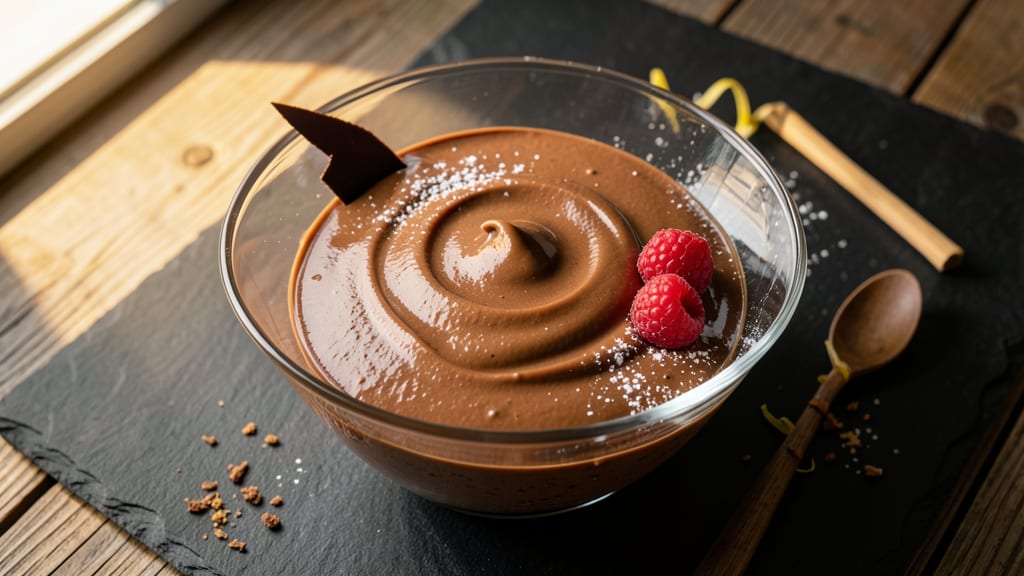
This best ever chocolate mousse recipe delivers the perfect balance of ultra-light cloud and fudgy depth—a texture that separates it from every other version you've tried. The secret lies in tempering the eggs and chocolate precisely, creating a velvety mousse that melts in your mouth while maintaining structure.
I've refined this recipe over years of testing, and it never fails to impress, whether served for a special occasion or a quiet dessert night. The process is simpler than you might think, requiring just five core ingredients: high-quality dark chocolate, eggs, heavy cream, sugar, and a pinch of salt.
No complicated equipment is needed—just a double boiler, mixing bowls, and patience. The key technique is gently melting the chocolate and warming the eggs to room temperature, which ensures a smooth, lump-free mousse with a silky-smooth finish.
What sets this apart is the two-stage folding method, where the whipped cream is incorporated in two batches to maintain airiness without deflating the mixture.
After chilling for at least 4 hours (or overnight for best results), you’ll have a dessert that’s light as a cloud but with a rich, cocoa-forward depth that satisfies even the most discerning chocolate lovers.
Serve it topped with fresh berries, a dusting of cocoa powder, or a sprinkle of flaky sea salt for contrast. This isn’t just another mousse—it’s the one that will have everyone asking for the recipe. Let’s make it.
Ingredients for best ever chocolate mousse
Five core ingredients transform into the lightest, richest chocolate mousse you've ever tasted.
| Ingredient | Amount | Notes |
|---|---|---|
| High-Quality Dark Chocolate (70% Cocoa) 🍫 | 8 oz | Valrhona or Lindt preferred |
| Large Eggs 🥚 | 6 whole | Room temperature for best results |
| Heavy Whipping Cream 🥛 | 2 cups | Full-fat for optimal texture |
| Granulated Sugar 🍚 | ¾ cup | Fine grain preferred |
| Diamond Crystal Kosher Salt 🧂 | ¼ tsp | Fine grain preferred |
| Unsalted Butter 🧈 | 2 tbsp | For double boiler |
| Fresh Raspberries 🍓 | 1 cup | For garnish, optional |
| Cocoa Powder 🍫 | 2 tbsp | For dusting, Dutch-processed |
| Flaky Sea Salt 🧂 | 1 pinch | For garnish, optional |
The chocolate is non-negotiable here—Valrhona or Lindt 70% cocoa melts into velvety perfection. I always grab the Valrhona Abinao when I can find it, but Lindt's Excellence line works beautifully too. The eggs need to be room temperature (pop them out of the fridge 30 minutes before starting), and the cream? Full-fat only—none of that light stuff. For the sugar, I prefer fine grain like Dominican Republic if you're feeling fancy, but regular granulated works perfectly fine. The butter for the double boiler? European-style unsalted if you have it—Plugrá is my go-to, but any good brand will do.
No Valrhona? Ghirardelli or Guittard are solid backups. Eggs too small? Use 7 instead of 6, but let them sit out longer to warm up. The cream can be chilled straight from the fridge, but bring it to room temperature before whipping—cold cream won't whip properly. Ran out of cocoa powder? Nestlé Melange works in a pinch, though it's not as flavorful. For the sugar, powdered sugar can be substituted at the same weight, though it dissolves slightly differently. The raspberries? Frozen works perfectly—just toss them in hot water for 30 seconds to thaw before using.
This mousse needs 4-6 hours to set properly, so plan ahead. Store leftovers in an airtight container with parchment between layers to prevent drying. It keeps for 3 days in the fridge, though it's best enjoyed fresh. For make-ahead magic, prepare it the night before—it actually tastes better after the flavors meld. The butter for the double boiler? Microwave it 40 seconds to just melt it before using, so it doesn't cool down your chocolate bath.
Why You'll Love This Recipe
- No Fuss, Big Payoff: I swear by this method—just melt the chocolate, whisk the eggs, fold in the cream. No tempering, no tempering stress. That first spoonful of velvety mousse with the snap of dark chocolate? Worth every minute of the five it takes.
- Decadent Without Guilt: Here’s what sold me—the 70% cocoa isn’t bitter, it’s deep. The sugar balances it just right, and that flaky salt? It’s the secret weapon turning rich into ridiculously good. My husband licks the bowl after I do, and he’s not usually a dessert guy.
- Date Night or Meal Prep: Honestly, this works for both. Whip it up in ramekins for a fancy dinner, or divide it into jars for grab-and-go lunches. (Yes, even on a Tuesday night.) The texture holds for days—just add a dollop of whipped cream before eating, and no one will guess it’s been sitting since Sunday.
- Leftovers That Taste Better: Between us, my mousse always lasts longer than I expect. The eggs and cream keep it luscious for days, and the flavor actually deepens as it sits. I’ll make a big batch, freeze half, and thaw it when I need a quick treat—no reheating, just scoop and enjoy. Budget-friendly too—one bar of quality chocolate goes a long way.
Step-by-step instructions for ultra-light chocolate mousse
This method delivers the perfect balance of airy elegance and rich chocolate depth—every bite is a revelation.
Temper the Chocolate for Maximum Fudgy Depth
Place the 8 oz high-quality dark chocolate (70% cocoa) in a heatproof bowl set over a pot of simmering water, ensuring the bottom of the bowl doesn't touch the water. Stir gently until the chocolate melts completely—you'll know it's ready when it reaches 110°F and has a glossy, fluid consistency. Remove from heat immediately and let it cool slightly to 100°F while you prepare the egg mixture.
This tempering step is non-negotiable for professional results. The slight cooling ensures the chocolate maintains its snap when chilled, preventing that dreaded grainy texture. I like to work quickly here—once the chocolate hits 90°F, it starts to thicken again, making it harder to incorporate smoothly.
Whip Eggs and Sugar to Ribbon Stage
In a separate heatproof bowl, combine the 6 whole large eggs (room temperature) and 0.75 cup granulated sugar with the 0.25 tsp diamond crystal kosher salt. Place this bowl over the same pot of simmering water, stirring constantly with a wooden spoon or silicone spatula. Heat gently until the mixture reaches 160°F—it should thicken noticeably but not cook.
Transfer the egg mixture to a stand mixer fitted with the whisk attachment. Beat on high speed for 5-7 minutes until it triples in volume and forms stiff, glossy ribbons when the whisk is lifted. You're aiming for a pale, almost white color—this indicates proper aeration. I test by tilting the bowl: the mixture should hold its shape briefly before slowly sliding back.
Fold Chocolate into Egg Mixture
With the mixer running on low speed, very gradually pour the tempered chocolate into the egg mixture. Scrape the sides of the bowl with a silicone spatula to ensure even distribution. Increase the speed to medium and continue mixing for 2-3 minutes until completely smooth and shiny. The result should be a thick, velvety ganache that coats the back of a spoon.
This is where the magic happens—the chocolate's richness marries with the eggs' airiness. If you see streaks of unmelted chocolate, don't panic—simply increase the speed to high for 30 seconds to fully emulsify. The mixture should be thick but still pourable, with a glossy sheen that reflects light beautifully.
Whip the Cream to Stiff Peaks
In a separate chilled bowl, whip the 2 cups heavy whipping cream to stiff peaks using a stand mixer. The cream should hold its shape when the whisk is lifted, forming a soft peak that stands upright for 10-15 seconds before slowly collapsing. Chill your bowl and beaters beforehand—this prevents the cream from overheating and losing its volume.
For optimal results, I like to whip the cream to slightly over-stiff peaks. The extra stability helps support the mousse's structure during chilling. If you're unsure, test by lifting the whisk: the cream should form a peak that stands tall before gradually flattening.
Fold Cream into Chocolate Mixture
Using a silicone spatula, gently fold one-third of the whipped cream into the chocolate mixture to lighten it. Then, add the remaining cream in two more additions, folding just until fully incorporated after each addition. Work quickly but carefully—overmixing here will deflate the air bubbles you've worked so hard to create.
For perfect results, I use the "J" technique: scrape the bottom and sides of the bowl in a "J" shape, then fold from the bottom up. This ensures even distribution without losing air. The final mousse should be smooth, glossy, and thick enough to hold its shape when spooned onto a plate.
Chill and Garnish for Restaurant-Worthy Presentation
Divide the mousse among 8 serving glasses (about ¼ cup each) and refrigerate for at least 4 hours—overnight is ideal. The longer it chills, the more intense the chocolate flavor becomes. Before serving, dust the surface with 2 tbsp cocoa powder sifted through a fine-mesh sieve, then add a few fresh raspberries and a pinch of flaky sea salt for contrast.
The mousse should be light as a cloud but with a satisfying fudgy density when bitten. The raspberries add a bright acidity that cuts through the richness, while the flaky sea salt enhances the chocolate's depth. Serve immediately after chilling for the perfect texture—this isn't a dessert that improves with sitting at room temperature.
Pro Tips For Making Best Ever Chocolate Mousse
- Temper the Chocolate: I used to just melt the dark chocolate in the microwave, but that’s a one-way ticket to grainy mousse. Instead, chop it into small pieces and melt it in a double boiler over simmering water—keep the heat low enough that the water barely bubbles, and stir every 20 seconds. If you’re impatient and melt it too fast, you’ll end up with a sad, lumpy mess. (And no, straining it later doesn’t fix it.)
- Separate Eggs Like a Pro: Crack those eggs into a bowl first, then whisk them before separating the yolks and whites. Why? Because if you crack them directly into the yolks bowl, you’ll almost certainly end up with a few whites sneaking in—and those tiny bits will turn your whites into a deflated puddle when you whip them. I learned this after making a batch that looked like wet cardboard.
- Whip the Cream Cold: Take the heavy whipping cream straight from the fridge and chill your mixing bowl and beaters for 10 minutes before starting. Cold cream whips faster and holds its shape longer, so you’re not scrambling to fold it in while it collapses. Pro move: Add a pinch of salt (about ¼ teaspoon) to the cream before whipping—it stabilizes the peaks and makes the texture silky.
- Fold in Stages: Don’t dump all the whipped cream into the chocolate mixture at once. First, fold in about a third of the cream to lighten the chocolate, then gently fold in the egg whites, and finally add the rest of the cream in two additions. Rushing this step means you’ll deflate the air in the cream and end up with dense, heavy mousse. Think "gentle but thorough"—like folding laundry, not stirring soup.
Common mistakes when making great best ever chocolate mousse
Overwhipping the Cream
One of the most common mistakes is overwhipping the heavy cream, which can turn your silky mousse into a dry, grainy mess. I’ve seen this happen when cream is whipped to stiff peaks and then left in the mixer for too long—it can transform from fluffy to buttery in seconds.
The key is to stop as soon as you achieve stiff peaks (when the whisk leaves a visible peak that holds its shape for 10-15 seconds). If you’re unsure, test by lifting the whisk: the cream should hold its peak briefly before slowly collapsing.
Overwhipped cream loses its air bubbles and can even start to separate, ruining the light texture you’re working so hard to achieve. 🥛
Skipping the Room-Temp Eggs
Cold eggs are a surefire way to end up with a lumpy, uneven mousse. The proteins in cold eggs don’t incorporate as smoothly into the sugar mixture, leading to graininess or even curdling when heated.
Always let your eggs sit at room temperature for at least 30 minutes before using—pop them out of the fridge and let them warm up naturally.
I like to place them in a bowl of warm water for 10 minutes if I’m in a hurry, but never microwave them (the heat can cook the yolks unevenly). Room-temperature eggs blend seamlessly with the sugar and chocolate, creating that signature velvety texture. 🥚
Incorrect Chocolate Temperature
Using chocolate that’s too hot or too cold can completely derail your mousse. If the chocolate is above 110°F, it can cook the eggs when folded in, turning your light mousse into a dense, scrambled mess.
On the flip side, if it’s below 90°F, it won’t melt smoothly into the egg mixture, leaving streaks and a grainy texture. The sweet spot is 100-110°F)—glossy, fluid, and just warm enough to blend effortlessly. I always test the temperature with a candy thermometer to avoid guesswork.
A quick fix if your chocolate cools too much? Pop the bowl back over simmering water for 10-15 seconds to restore its smoothness. 🍫
Rushing the Chilling Time
Patience is key with chocolate mousse, and cutting the chilling time short is a rookie mistake. The mousse needs at least 4 hours (overnight is ideal) to fully set and develop its rich, fudgy depth. Serving it too soon results in a wobbly, under-set dessert that lacks structure.
I’ve learned this the hard way—once, I served a mousse after just 2 hours, and it was more like a pudding than the cloud-like texture we’re aiming for. The longer it chills, the more intense the chocolate flavor becomes, and the better the contrast with your garnishes.
Plan ahead, and your mousse will reward you with a perfect bite every time. ❄️
Overmixing After Folding
The two-stage folding process is delicate, and overmixing after adding the cream can deflate the air bubbles you’ve worked so hard to create. Once you’ve folded in the whipped cream, stop mixing as soon as the cream is fully incorporated—no need to stir it into oblivion.
I use a spatula and the "J" technique (scraping the bottom and sides in a "J" shape) to ensure even distribution without losing air. Overmixing here can turn your mousse from light and airy into a dense, heavy pudding.
Think of it like folding in whipped cream for a cake batter: just until combined, no more. 💫
Ignoring the Double Boiler Setup
Using direct heat or a microwave to melt the chocolate is a recipe for disaster. Direct heat can cause the chocolate to seize or burn, while microwaving it in short bursts can create hot spots that ruin the smooth texture.
A proper double boiler (a heatproof bowl set over simmering water, with the bottom of the bowl never touching the water) ensures even, gentle heat. I like to use a stainless steel bowl over a pot of barely simmering water—this keeps the temperature stable and prevents the chocolate from overheating.
If you don’t have a double boiler, a makeshift version with a heatproof bowl and a colander works in a pinch. 🔥
Nutrition facts
Frequently asked questions
Can I make this mousse without eggs?
This recipe relies on eggs for its signature light, airy texture, but you can adapt it using aquafaba (chickpea brine) or a vegan egg substitute like flaxseed "eggs." Replace the 6 eggs with 1 cup aquafaba whipped to stiff peaks, then proceed with the same folding technique. The texture will be slightly denser but still delicious. For best results, use a high-quality vegan chocolate that melts smoothly.
How do I know when the whipped cream is ready?
The cream is perfect when it forms stiff peaks—lift the whisk and the cream should hold its shape for 10-15 seconds before slowly collapsing. It should also leave a visible peak when the whisk is tilted. Overwhipping turns it buttery and dense, so stop as soon as you reach this stage. A chilled bowl and beaters help prevent overheating, which can ruin the texture.
Why did my mousse turn grainy?
Graininess usually happens when the chocolate cools too much before folding or when eggs aren't at room temperature. Ensure your chocolate stays between 100-110°F and eggs are fully warmed (no cold spots!). If it happens, gently reheat the chocolate mixture over warm (not hot) water for 10 seconds to restore smoothness, then fold again. Always work quickly after melting the chocolate.
Can I make this ahead of time?
This mousse actually tastes better after chilling overnight. Prepare it up to 24 hours in advance and store in an airtight container with parchment between layers. Refrigerate until serving. The flavors meld beautifully, and the texture remains perfect. Just add fresh garnishes (like raspberries) right before serving to keep them vibrant.
What's the best way to serve it?
Serve in elegant glasses with ¼ cup per portion. Top with fresh raspberries, a dusting of cocoa powder, and a pinch of flaky sea salt for contrast. For extra flair, add mint leaves or chocolate shavings. Keep it chilled until serving—room temperature mousse loses its structure quickly. Pair with a glass of Port wine or espresso for the full experience.