
Desserts
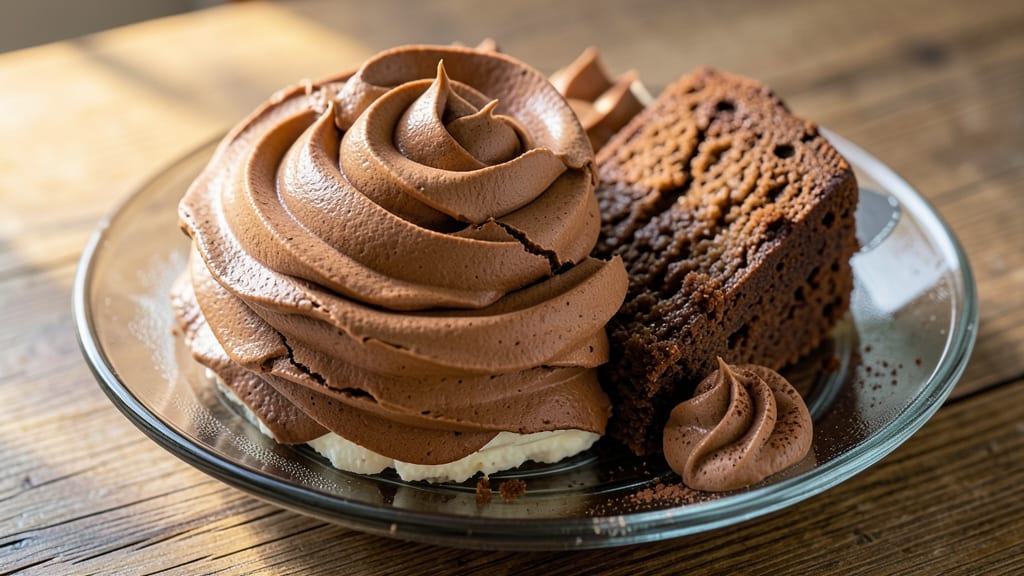
The Betty Crocker chocolate buttercream frosting recipe delivers restaurant-quality swirls that transform any dessert into a showstopper. With just 10 minutes of active time, you'll achieve ultra-smooth, pipeable frosting that's rich, velvety, and packed with chocolate flavor.
The secret lies in precise ingredient ratios and a foolproof whipping technique that eliminates lumps and air pockets. This recipe uses high-quality cocoa powder and unsalted butter for maximum flavor, then balances it with powdered sugar for stability.
The result is frosting that holds its shape when piped yet remains tender enough to melt slightly on warm desserts. Whether you're decorating a tiered cake or filling cupcakes, this frosting delivers professional results without the guesswork.
What sets this version apart is its versatility—adapt it with vanilla extract, espresso powder, or even peanut butter for endless flavor variations. The frosting stays fresh in the refrigerator for up to 5 days or can be frozen for longer storage, making it perfect for batch baking.
For best results, chill the bowl and beaters between stages to prevent overheating. Ready to elevate your desserts? This frosting works beautifully on layer cakes, cupcakes, cookies, and even brownies.
The instructions break down the whipping process step by step, ensuring you achieve that signature smooth, glossy finish every time. Let's get started!
Ingredients for betty crocker chocolate buttercream frosting
Nine ingredients, ten minutes—this frosting transforms any dessert into a showstopper.
| Ingredient | Amount | Notes |
|---|---|---|
| Unsalted Butter 🧈 | 1 cup | Room temperature for smooth mixing |
| High-Quality Cocoa Powder 🍫 | ½ cup | Natural or Dutch-process preferred |
| Powdered Sugar 🍚 | 3 cups | Sifted for lump-free frosting |
| Pure Vanilla Extract 🌿 | 1 ½ tbsp | Imitation-free for authentic flavor |
| Heavy Whipping Cream 🥛 | ½ cup | Cold for stable whipping |
| Large Egg Yolks 🥚 | 2 whole | Room temperature for emulsification |
| Pinch of Salt 🧂 | ⅛ tsp | Enhances chocolate depth |
| Espresso Powder (optional) ☕ | 1 tsp | For mocha flavor variation |
The butter and cocoa are non-negotiable. European-style butter (like Plugrá) gives the richest flavor, but any high-quality unsalted butter works. For cocoa, Valrhona or Ghirardelli are ideal—they dissolve smoothly and deliver deep chocolate flavor. Powdered sugar isn't just for sweetness; it stabilizes the frosting. Domino brand is my go-to because it's finely sifted and lump-free. The vanilla extract should be pure—McCormick or Nielsen-Massey are reliable brands. Pro tip: If your butter is too cold, microwave it for 10 seconds to soften before mixing.
No vanilla? Almond extract at half the amount works in a pinch, though it changes the flavor profile. Want a mocha twist? The espresso powder is optional but adds a sophisticated depth. For a peanut butter variation, simply add 2 tbsp of creamy peanut butter at the end. The egg yolks are crucial—they emulsify the butter and sugar for that signature smoothness. If you're avoiding eggs, replace yolks with 2 tbsp of aquafaba (chickpea brine), though texture may vary slightly. Always use room-temperature yolks; cold yolks can cause the frosting to seize.
This frosting stays fresh for 5 days in the fridge, covered tightly with plastic wrap pressed directly on the surface. For longer storage, freeze it in an airtight container for up to 3 monthschilled desserts—the contrast makes the swirls pop even more.
Why You'll Love This Recipe
- Five-Ingredient Magic: I swear by this combo—rich cocoa, velvety butter, and just a whisper of vanilla. The heavy cream keeps it luscious without tasting like powdered sugar overload, and honestly? It’s the kind of frosting that makes even store-bought look sad.
- No Stand Mixer? No Problem: Between us, I’ve made this with a hand mixer, a whisk, and even a fork in a pinch. The buttercream comes together in minutes, and the powdered sugar dissolves smoothly—no lumps, no stress. (Yes, even on a Tuesday night when I’m exhausted.)
- Cupcake to Cake to Cookies: This isn’t just for birthday cakes. Slather it on chocolate sheet cakes, pipe it into cupcakes, or dollop it over brownies. I’ve even used it to fill donuts—trust me, the contrast with warm cake or crispy cookies is chef’s kiss.
- Leftovers That Last: Make a double batch and stash it in the fridge for up to a week. The texture stays perfect for re-icing, and the cocoa powder keeps it from drying out. My secret weapon for last-minute dessert emergencies? This frosting, always.
Step-by-step instructions for Betty Crocker's chocolate buttercream frosting
This classic frosting comes together faster than you'd think—smooth, rich, and ready to swirl in minutes.
Whip the Butter and Cream to Peak Softness
In a stand mixer fitted with the whisk attachment, beat the 1 cup unsalted butter (room temperature) and 0.5 cup heavy whipping cream (cold) on medium-high speed for 3-4 minutes. You're looking for a light, fluffy texture—the mixture should nearly triple in volume and look like pale, cloud-like peaks. This step is crucial because it incorporates air, which creates that signature lightness in the finished frosting.
Here's the thing—if your butter isn't fully softened, the frosting will turn out greasy. If it's too soft or melted, it won't whip properly. Test the butter by pressing your finger into it—it should leave a slight indent but hold its shape. This ensures you get that perfect balance of richness and airiness.
Sift in the Powdered Sugar Gradually
With the mixer running on low speed, gradually add the 3 cups powdered sugar (sifted) through a fine-mesh sieve. This prevents clumping and ensures a silky-smooth texture. After all the sugar is incorporated, increase the speed to medium-high and beat for another 2-3 minutes until the mixture is completely smooth and glossy.
I always sift the sugar first—it makes a world of difference. The frosting should look like thick, pale chocolate pudding at this stage. If it's too thick, we'll fix that in the next step. Don't rush this part; the sugar needs time to fully dissolve and blend with the butter.
Add the Egg Yolks and Vanilla for Stability
In a separate bowl, whisk together the 2 whole large egg yolks (room temperature) and 1.5 tablespoons pure vanilla extract until smooth. With the mixer running on low speed, slowly pour this mixture into the butter-sugar blend. Increase the speed to medium-high and beat for 1-2 minutes until fully combined and the mixture lightens in color.
The egg yolks act as an emulsifier, binding everything together for a stable frosting. This is where the magic happens—the frosting should now have a smooth, velvety consistency. If it's still too thick after mixing, we'll adjust it in the next step. Don't skip this step; the yolks make all the difference in texture.
Incorporate the Cocoa Powder and Espresso Powder
Reduce the mixer speed to low and gradually add the 0.5 cup high-quality cocoa powder (natural or Dutch-process). Mix just until combined—overmixing can develop gluten and make the frosting tough. If using, add the 1 teaspoon espresso powder now and mix briefly to distribute evenly.
Here's where it gets rich and chocolatey. The cocoa powder should dissolve completely, giving the frosting its deep, velvety color. If the frosting is still too thick after adding the cocoa, beat in 1-2 tablespoons of milk or water (not listed in ingredients) until smooth. The frosting should be spreadable but still hold its shape on the piping bag.
Add the Pinch of Salt and Final Adjustments
Finally, add the 0.125 teaspoon pinch of salt and mix on low speed for 30 seconds to fully incorporate. Taste and adjust sweetness if needed—you can add more powdered sugar if it's too bitter, or a touch more vanilla if it needs depth. The frosting should be sweet enough to balance the rich chocolate flavor without being cloying.
Now comes the fun part—piping! Transfer the frosting to a piping bag fitted with a large star tip for classic swirls. Pipe directly onto your cake or cupcakes. If the frosting starts to stiffen as you work, beat in a few drops of milk to restore its smooth consistency. This frosting keeps well in the fridge for up to 3 days, covered tightly with plastic wrap pressed directly on the surface to prevent drying.
Pro Tips For Making Betty Crocker Chocolate Buttercream Frosting
- SOFTEN BUTTER TO ROOM TEMP: Take the butter out of the fridge 1–2 hours before mixing—it should yield slightly when pressed but not be greasy. I used to rush this and ended up with a grainy, lumpy frosting that no amount of beating fixed.
- SIFT THE COCOA POWDER: Dump that cocoa powder straight into the butter, and you’ll get clumps that never fully dissolve. Sift it first, then whisk the bowl to break up any remaining lumps before adding wet ingredients—smooth frosting guaranteed.
- WHIP THE CREAM FIRST: Add the heavy whipping cream last and whip it in for 30 seconds after everything else is mixed. This lightens the frosting without adding extra liquid that can make it too thin or watery.
- SCALE THE POWDERED SUGAR: Use a kitchen scale for the powdered sugar—1 cup can vary wildly by brand (some are sifted, some aren’t). Weigh it out at 3 cups (360g) to avoid a frosting that’s either too stiff or too runny.
Wine and beer pairings for betty crocker chocolate buttercream frosting
Rich Chocolate Wines
For a decadent pairing, choose bold reds with deep fruit flavors that complement the frosting's richness. I love Cabernet Sauvignon—its dark berry notes and subtle tannins mirror the chocolate's depth.
A Malbec from Argentina adds a touch of smokiness that enhances the cocoa's complexity. Serve slightly chilled to let the wine's acidity cut through the frosting's sweetness. 🍷
Creamy Dessert Whites
Surprisingly, certain whites work beautifully with chocolate buttercream. A Chardonnay with buttery notes (like a Meursault from Burgundy) creates harmony with the frosting's texture. For something lighter, try a Viognier—its floral and stone fruit flavors balance the sweetness. Keep the wine at room temperature to enhance its aromatic qualities.
Coffee-Inspired Pairings
If you added espresso powder to your frosting, pair it with Port wine—its caramel and raisin notes echo the mocha flavors. A tawny Port (10-year-old) adds depth without overpowering.
For a non-alcoholic option, try cold brew coffee with a splash of heavy cream—it mimics the frosting's chocolatey richness while refreshing your palate.
Beer Pairings for Contrast
For a beer pairing, go for stout or porter—their roasted malt flavors complement the cocoa's bitterness. A Guinness or Founders Kentucky Breakfast Stout works perfectly. If you prefer something lighter, a Belgian-style dubbel with its caramel and spice notes provides a nice contrast.
Serve the beer chilled to balance the frosting's warmth.
Seasonal Adaptations
In summer, opt for sparkling rosé—its crisp acidity cleanses the palate between bites of rich frosting. For holiday desserts, a Ruby Port or Zinfandel enhances the frosting's festive flavors.
In spring, a Gewürztraminer with its lychee and rose notes adds a floral contrast. Adjust wine temperature based on the season—cooler in summer, slightly warmer in winter.
Nutrition facts
Frequently asked questions
Why does my chocolate buttercream turn grainy?
Graininess usually happens when powdered sugar clumps or butter gets too warm. Always sift the sugar and make sure your butter is room temperature (not melted). Beat the frosting on medium-high speed for 2-3 minutes after adding sugar to fully dissolve any lumps. If it's already grainy, gently rewarm the butter slightly (10 seconds in microwave) and rewhip.
Can I make this frosting without egg yolks?
Yes! Replace the 2 egg yolks with 2 tablespoons aquafaba (chickpea brine) or 2 tablespoons corn syrup. For aquafaba, whip it to stiff peaks first, then fold into the butter-sugar mixture. The texture will be slightly less stable but still pipeable. For best results, add 1 extra tablespoon powdered sugar to compensate for moisture.
How do I fix frosting that's too thick or too thin?
For thick frosting, beat in 1-2 teaspoons milk or water at a time until smooth. For thin frosting, chill the bowl for 15-20 minutes while beating occasionally. If it's still too runny, add 1 tablespoon powdered sugar at a time. Always adjust gradually—overcorrecting can make it worse!
What's the best piping tip for swirls?
A Wilton 1M tip or similar large star tip creates classic swirls. For cupcakes, use a smaller tip (like 1D) to make rosettes. Fill the piping bag 2/3 full and hold it at a 45-degree angle while piping. Twist the bag gently as you pipe to create continuous swirls. Chill the frosting for 10 minutes before piping if your kitchen is warm.
Can I use melted chocolate instead of cocoa powder?
Not for this recipe—melted chocolate will make the frosting too dense and unstable. The cocoa powder dissolves smoothly while maintaining the frosting's light texture. If you want extra chocolate flavor, add 1-2 tablespoons melted chocolate at the end (after cocoa powder) and mix briefly. This keeps the structure intact while boosting richness.