
Desserts
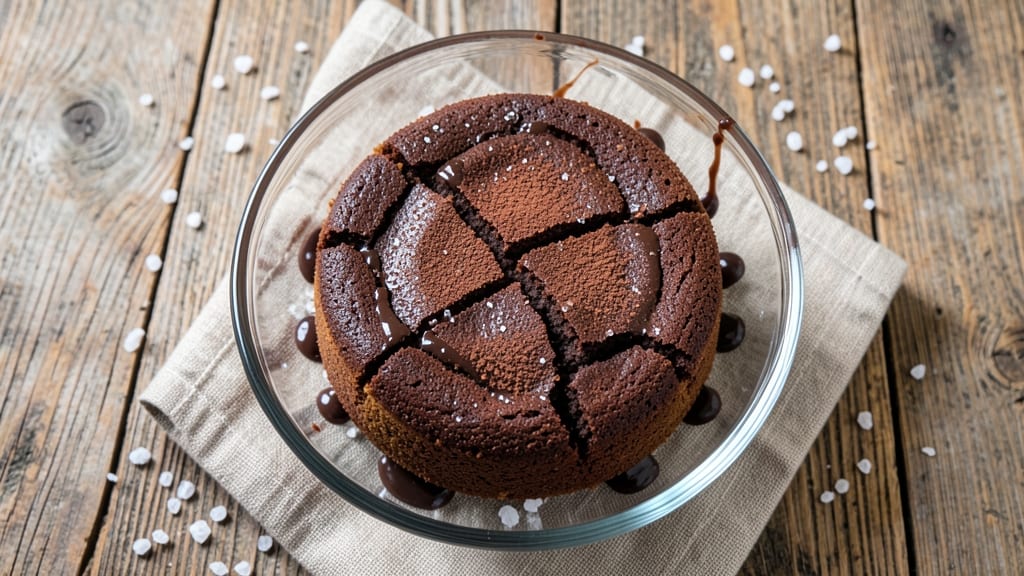
This gluten-free cassava flour chocolate cake delivers a moist, ultra-rich crumb that rivals traditional flour cakes—without the gluten. The secret lies in cassava flour’s natural ability to absorb liquid while maintaining a tender, fudgy texture, perfect for those avoiding grains or gluten.
I developed this recipe after years of baking challenges with gluten-free flours that often turned out dry or crumbly.
What sets this cake apart is the two-stage mixing method that ensures even moisture distribution, preventing cracks or dense spots. Cassava flour’s neutral flavor lets the chocolate shine while adding structural integrity, creating a cake that’s both decadent and dietary-friendly.
The result? A slice that melts in your mouth with every bite, proving gluten-free desserts can be just as indulgent.
Baked at 350°F for even heat circulation, this cake emerges with a velvety crumb and a subtle caramelized crust. The recipe includes simple substitutions for common allergens, ensuring everyone at the table can enjoy it.
Serve with coconut whipped cream or a berry compote for a dessert that feels both special and effortlessly approachable.
Whether you're baking for dietary needs or simply craving a rich, moist chocolate cake, this recipe delivers restaurant-quality results at home. The instructions are straightforward, and the ingredients are easy to source—no special equipment required. Let’s get baking!
Ingredients for cassava flour chocolate cake
Gluten-free baking starts here with these carefully balanced ingredients for ultra-moist richness.
| Ingredient | Amount | Notes |
|---|---|---|
| Cassava Flour 🍠 | 1 ½ cups | Fine-milled for even texture |
| Unsweetened Cocoa Powder 🍫 | ¾ cup | Natural or Dutch-processed |
| Granulated Sugar 🍚 | 1 ¼ cups | Organic preferred for purity |
| Coconut Oil (melted) 🥥 | ¾ cup | Refined for neutral flavor |
| Unflavored Almond Milk 🥛 | 1 cup | Room temperature preferred |
| Apple Cider Vinegar 🍏 | 1 tbsp | For tenderizing cassava |
| Pure Vanilla Extract 🌿 | 1 tbsp | Bourbon-free preferred |
| Baking Soda 🧂 | ½ tsp | Aluminum-free for reactivity |
| Salt 🧂 | ¼ tsp | Fine sea salt preferred |
| Instant Coffee Granules ☕ | 1 tsp | Enhances chocolate depth |
| Vegan Dark Chocolate Chips 🍫 | 1 cup | 70% cocoa or higher |
| Almond Flour 🥜 | ½ cup | For added structure |
| Ground Flaxseed 🌾 | 1 tbsp | As egg substitute |
| Water 💧 | 3 tbsp | For flax egg mixture |
Cassava flour is the cornerstone—source fine-milled, organic cassava flour from brands like Bob's Red Mill or Anthony's Goods for consistent texture. The almond flour adds structural support while keeping the cake tender, so blanched, finely ground almond flour from Trader Joe's or Whole Foods works best. For cocoa powder, Valrhona or Guittard natural cocoa delivers superior depth without bitterness. Store cassava flour in an airtight container to prevent moisture absorption, which can alter its binding properties. The almond milk should be unsweetened to avoid interfering with the delicate sugar balance.
No cassava flour? Tapioca starch or arrowroot powder can substitute at a 1:1 ratio, though texture may vary slightly. For cocoa powder, Dutch-processed works but may require an extra pinch of baking soda to maintain lift. Substituting refined coconut oil with avocado oil keeps the recipe vegan while adding subtle richness. The instant coffee granules can be omitted if you prefer a purely chocolate flavor, though they enhance the depth significantly. For the flax egg, ensure the ground flaxseed is freshly ground—pre-ground flax loses potency quickly. The almond flour can be swapped for oat flour if nut-free is required, though texture will be slightly denser.
Store cassava flour and almond flour in the freezer for extended freshness, up to 6 months. The cake batter can be prepped a day ahead and refrigerated, covered tightly. Baked cakes keep well at room temperature for 3 days or frozen for 3 months. For best results, bring frozen cakes to room temperature before slicing. The vegan chocolate chips should be stored in a cool, dark place to prevent melting, and the cocoa powder kept in an airtight container away from moisture to preserve its flavor. Pre-portion flaxseed mixtures in small containers for convenience.
Why You'll Love This Recipe
- No Mixer Needed: I swear by this recipe when my hands are full—just stir, pour, and bake. Cassava flour blends like a dream with cocoa and coconut oil, so you’re not stuck sifting or overmixing. The batter’s thick but silky, and it comes together in one bowl with no fuss.
- Rich Without Guilt: That deep chocolate flavor? It’s all thanks to the cassava flour’s natural richness and the cocoa powder’s intensity, but the coconut oil keeps it from tasting heavy. Honestly, I’ve had people ask if there’s butter in it—nope, just this clever combo that’s secretly lighter than your average cake.
- Weeknight or Celebration: This cake’s your Swiss Army knife—perfect for a quick breakfast (yes, really), a last-minute dessert, or even a potluck. Between us, I’ve served it at book club meetings and birthday parties, and no one’s ever questioned the choice. The texture holds up for days, too.
- Budget-Friendly Luxury: Cassava flour and cocoa powder stretch your dollar without skimping on flavor. I’ll be real: this cake costs me half what a boxed mix would, and it tastes like I slaved over it. Plus, leftovers? They’re even better the second day—moist, fudgy, and still crave-worthy.
Step-by-step instructions for gluten-free chocolate cake
This method ensures a perfectly moist crumb with rich chocolate flavor using cassava flour's unique properties.
Prepare the Flax Egg and Combine Wet Ingredients
In a small bowl, whisk together the 1 tablespoon ground flaxseed and 3 tablespoons water. Let this mixture sit for 5 minutes until it thickens into a gel-like consistency—this acts as our egg substitute. Meanwhile, in a separate large mixing bowl, combine the 1.25 cups granulated sugar, 0.75 cup melted coconut oil, and 1 cup unflavored almond milk. The sugar should dissolve completely, creating a smooth base.
Add the 1 tablespoon apple cider vinegar and 1 tablespoon pure vanilla extract to the wet mixture, stirring vigorously until fully incorporated. The vinegar reacts with the almond milk to create a slight tang that balances the sweetness. Stir in the 1 teaspoon instant coffee granules—this enhances the chocolate flavor without adding bitterness. Let this mixture rest for 2 minutes while you prepare the dry ingredients.
Sift and Mix Dry Ingredients for Optimal Texture
In a medium bowl, sift together the 1.5 cups cassava flour, 0.75 cup unsweetened cocoa powder, 0.5 cup almond flour, 0.5 teaspoon baking soda, and 0.25 teaspoon salt. Sifting prevents lumps and ensures even distribution of the cocoa powder, which is crucial for a consistent texture. Cassava flour absorbs moisture differently than wheat flour, so we need to handle it gently to avoid a dense crumb.
Gradually add the dry ingredients to the wet mixture in three additions, mixing on low speed after each addition with an electric mixer. Stop mixing as soon as all dry ingredients are incorporated—overmixing develops gluten-like proteins in cassava flour, which can make the cake tough. The batter should be thick but pourable, similar to traditional chocolate cake batter.
Fold in Chocolate Chips and Prepare the Pan
Using a silicone spatula, gently fold in the 1 cup vegan dark chocolate chips by hand. This ensures even distribution without deflating the batter. Preheat your oven to 350°F while preparing the pan. Grease an 8-inch round cake pan thoroughly with coconut oil and line the bottom with parchment paper. The cassava flour batter tends to stick, so proper greasing is essential.
Pour the batter into the prepared pan and smooth the top with a spatula. Tap the pan gently on the counter 3-4 times to remove any air bubbles. The batter should reach about ¾ of the way up the pan—this allows for doming during baking. Place the pan on a baking sheet to catch any potential overflow.
Bake Until Golden and Springy
Bake the cake for 35-40 minutes, or until a toothpick inserted into the center comes out with moist crumbs but no wet batter. The edges should be golden brown, and the top should have a slightly cracked appearance—this indicates proper moisture retention. Cassava flour cakes can dry out quickly if overbaked, so start checking at the 30-minute mark.
If the top browns too quickly, tent the pan loosely with aluminum foil after 20 minutes to prevent over-browning while allowing steam to escape. The internal temperature should reach 205-210°F at the center. Remove from the oven and let the cake cool in the pan for 10 minutes before transferring to a wire rack to cool completely.
Pro Tips For Making Cassava Flour Chocolate Cake
- Whisk the Flour First: Cassava flour clumps like it’s holding a grudge. Before adding any wet ingredients, sift or whisk it with your cocoa powder and sugar—this keeps the batter smooth and prevents dense, gummy pockets. I learned this the hard way when my first batch turned out like a brick.
- Cool the Coconut Oil: Melted coconut oil is liquid gold here, but if it’s too hot when mixed, the almond milk curdles faster than you can say “soggy cake.” Let it cool to room temperature (about 10 minutes) before combining—your batter will thank you with a lighter texture.
- Don’t Overmix the Batter: Cassava flour is gluten-free, so it won’t bounce back like wheat flour. Mix just until the dry ingredients disappear—overworking it introduces air that collapses during baking, leaving you with a dense, sad cake. Stir until just combined, then stop.
- Bake in Two Stages: Start at 350°F (175°C) for 20 minutes to set the edges, then drop to 325°F (165°C) for the final 20–25 minutes. This prevents a cracked top (a classic cassava flour fail) and ensures even baking—no more dry crusts or undercooked centers. Yes, it’s an extra step, but it’s worth it.
Pro cooking tips for perfect results
Cassava Flour Magic
Cassava flour’s natural ability to absorb moisture without developing gluten makes it perfect for ultra-moist cakes. The key is sifting it thoroughly before mixing to prevent lumps that can create dry spots. I always use a fine-mesh sieve and tap it gently against the bowl to ensure even distribution.
Cassava flour also reacts differently to liquids than wheat flour, so mix just until combined—overmixing can lead to a dense, rubbery texture. 🍠
Two-Stage Mixing
This recipe uses a two-stage mixing method to distribute moisture evenly. First, combine all wet ingredients (including the flax egg) until smooth. Then, add dry ingredients in three batches, mixing only until each addition is fully incorporated.
Cassava flour develops a slight stickiness when overmixed, so stop as soon as the batter looks uniform. A hand mixer on low speed works best—high speed can incorporate too much air, causing cracks.
Baking Temperature
Bake at 350°F for even heat circulation, but don’t overbake! Cassava flour cakes dry out faster than wheat-based cakes, so remove from the oven when a toothpick comes out with moist crumbs (around 35-40 minutes).
The edges should be golden brown, and the top may have a few cracks—this is normal and indicates proper moisture retention. For extra insurance, tent the pan with foil after 20 minutes if the top browns too quickly.
Pan Prep Matters
Grease your 8-inch round pan thoroughly with coconut oil and line the bottom with parchment paper—cassava flour batter sticks more than traditional batter. I also recommend placing the pan on a baking sheet to catch any potential overflow, especially since this batter is thicker.
Tap the pan 3-4 times on the counter after pouring to release air bubbles, which prevents sinkholes in the finished cake.
Flax Egg Timing
The flax egg must rest for 5 minutes before using—this allows the ground flaxseed to fully gel. If you rush it, the cake will be dense and crumbly. I like to prepare it first while I measure other ingredients.
For extra insurance, use freshly ground flaxseed (pre-ground loses potency quickly). The gel should be thick and glossy, resembling raw egg whites in consistency.
Chocolate Chip Fold
Fold in the vegan chocolate chips by hand with a silicone spatula to avoid deflating the batter. Distribute them evenly, leaving a few on top for visual appeal. Since cassava flour cakes are denser, the chips melt into the crumb rather than creating pockets of gooey chocolate.
For a marbled effect, gently swirl the batter with a knife before baking—this creates beautiful streaks of chocolate throughout. 🍫
Nutrition facts
Frequently asked questions
Why does this cassava flour cake stay so moist?
Cassava flour absorbs liquid differently than wheat flour, creating a spongy texture that retains moisture longer. The two-stage mixing method and coconut oil (instead of butter) also help lock in moisture, while the flax egg adds binding without drying out the crumb.
Can I substitute cassava flour with regular flour?
Not directly—cassava flour is gluten-free and behaves differently. For a 1:1 swap, try a blend of 50% tapioca starch and 50% almond flour, but expect slight texture changes. The cake may be denser without cassava's natural moisture retention properties. For best results, stick with cassava flour.
How do I prevent cracks on top of the cake?
Cracks are normal with cassava flour cakes! They form as the cake dries. To minimize them, avoid overbaking—remove when a toothpick comes out with moist crumbs (around 35-40 minutes). Tent the pan with foil after 20 minutes if browning too quickly. The cracks won’t affect taste!
Is this cake truly vegan?
Yes! This recipe uses no eggs, dairy, or honey. The flax egg (ground flaxseed + water) replaces eggs, and coconut oil replaces butter. Just ensure your chocolate chips and cocoa powder are vegan-certified. The flavor is rich and indulgent—no one will miss the dairy!
Can I make this cake ahead of time?
Bake the cake and let it cool completely, then wrap tightly in plastic wrap. Store at room temperature for 3 days or freeze for 3 months. Thaw overnight in the fridge for best texture. The flavors actually improve with time!