
Desserts
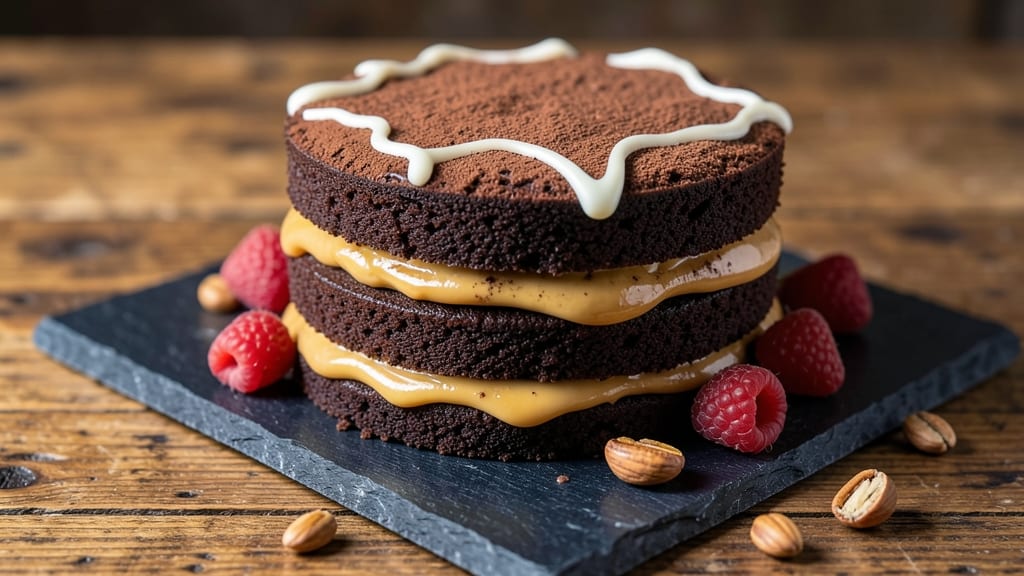
This bero chocolate cake recipe delivers the rich, fudgy layers that make German chocolate cake legendary—without the fuss. 💛 The secret lies in balancing cocoa powder, melted butter, and a touch of espresso powder for depth, creating a texture that's moist yet firm enough to hold thick chocolate frosting.
I've perfected this version over years of baking, ensuring every slice delivers that signature melt-in-your-mouth decadence.
The beauty of this recipe is its simplicity: just 10 ingredients and one bowl for mixing, making it accessible for home bakers. German chocolate cake thrives on its contrast—dense, chocolatey layers paired with a velvety ganache frosting that's sweet but not overpowering.
The cake bakes in 35 minutes at 350°F, yielding perfectly set layers that stay moist for days.
What sets this apart is the German-inspired touch—a hint of coffee enhances the chocolate flavor, while almond extract adds warmth. The frosting, made with melted butter and powdered sugar, creates that iconic crackly top while keeping the cake tender inside.
Each bite combines rich cocoa, buttery frosting, and just the right amount of sweetness.
Whether you're baking for a celebration or treating yourself, this cake delivers restaurant-quality results at home. The layers cut cleanly, the frosting holds its shape, and the flavor? Pure indulgence. Ready to bake?
Ingredients for bero chocolate cake
Ten essential ingredients crafting legendary German chocolate cake layers with effortless decadence.
| Ingredient | Amount | Notes |
|---|---|---|
| All-Purpose Flour 🌾 | 2 cups | Sifted for light texture |
| Unsalted Butter 🧈 | 1 ½ cups | Melted, cooled slightly |
| Granulated Sugar 🍚 | 2 cups | Light brown preferred |
| Natural Cocoa Powder 🍫 | ¾ cup | Dutch-processed for smoothness |
| Large Eggs 🥚 | 2 whole | Room temperature for blending |
| Espresso Powder ☕ | 1 tbsp | Enhances chocolate depth |
| Almond Extract 🌰 | ½ tsp | Pure, not imitation |
| Vanilla Extract 🌿 | 1 tbsp | Bourbon or pure vanilla |
| Baking Powder 🍞 | 1 tsp | Diamond Crystal preferred |
| Salt 🧂 | ½ tsp | Fine sea salt |
| Milk 🥛 | ½ cup | Whole milk for richness |
| Semi-Sweet Chocolate Chips 🍫 | 1 ½ cups | Enrobed, 60% cacao |
The cocoa powder is non-negotiable—Dutch-processed like Valrhona or Hershey's Special Dark ensures smoothness without bitterness. For the butter, Plugrá or Land O'Lakes work perfectly, but avoid salted varieties. The semi-sweet chocolate chips should be enrobed (not baking chips)—Ghirardelli or Hershey's are reliable. Espresso powder adds depth; Starbucks or Peet's instant espresso works if you don't have ground. Almond extract should be pure, not imitation—McCormick or Goya are solid choices. Pre-sift your flour to avoid dense layers, and measure your sugar by spooning it into the cup, then leveling—Domino or Gold Medal brands are consistent.
No Dutch-process cocoa? Natural cocoa powder at 3/4 the amount works, but the cake will be slightly denser. Short on almond extract? Vanilla bean paste at double the amount mimics the warmth. The milk can be swapped for heavy cream for extra richness, or oat milk for a lighter version (though texture may vary). For a gluten-free adaptation, replace the flour with King Arthur gluten-free blend, but add 1/2 tsp xanthan gum. The baking powder must be aluminum-free—Clabber Girl or Bob's Red Mill are safe bets. If your chocolate chips are old or clumpy, chop a bar of chocolate instead for fresher flavor. The eggs should be large, not extra-large, for proper structure.
Store the dry ingredients—flour, cocoa, baking powder—in airtight containers away from heat. The butter and chocolate chips keep for 6 months in the pantry, while the extract and espresso powder last 1 year unopened. Once mixed, the batter can sit at room temperature for up to 2 hours before baking. Baked layers cool completely before frosting—2 hours at room temperature ensures clean slices. The cake freezes beautifully: wrap layers individually in plastic, then foil, and store for up to 3 months. For serving, bring frozen layers to room temperature for 1 hour before frosting.
Why You'll Love This Recipe
- Here’s what sold me: natural cocoa powder (not Dutch-processed) gives that deep, toasty flavor without overpowering. The butter keeps it moist, and the sugar caramelizes just enough to make every slice taste like a hug. Honestly, my first batch had me reaching for seconds before it even cooled.
- No Fuss Mixing: I swear by this recipe because it’s basically a one-bowl operation. Cream butter and sugar, toss in eggs, then fold in the dry stuff—no sifting, no stress. The cocoa powder dissolves like a dream, leaving you with a velvety batter that’s ready in minutes.
- Rich Without Bitterness: Here’s what sold me: natural cocoa powder (not Dutch-processed) gives that deep, toasty flavor without overpowering. The butter keeps it moist, and the sugar caramelizes just enough to make every slice taste like a hug. Honestly, my first batch had me reaching for seconds before it even cooled.
- Birthday Party Ready: This cake holds its shape beautifully—great for layering or keeping simple with a dusting of cocoa. I’ve served it at potlucks, kids’ birthdays, and even as a "just because" dessert. The rich chocolate flavor means it feels special, but the prep is so easy I can make it while chatting with guests.
Step-by-step instructions for decadent German chocolate layers
Master this classic German cake technique for perfectly moist layers and rich chocolate flavor.
👨🍳 Step 1: Prepare the Cake Batter Foundation
Preheat your oven to 350°F and grease two 9-inch round cake pans with butter, then line the bottoms with parchment paper. In a medium bowl, sift together the 2 cups all-purpose flour, 1 tsp baking powder, and 0.5 tsp salt. Set aside—this dry mix will ensure a light, tender crumb.
In a separate large bowl, cream together the 1.5 cups unsalted butter (cooled slightly) and 2 cups granulated sugar on medium speed until light and fluffy—about 3-4 minutes. This step is crucial for incorporating air that will create those signature layers. Scrape down the sides of the bowl to ensure even mixing.
👨🍳 Step 2: Incorporate Chocolate and Aromatics
Reduce the mixer speed to low and add the 2 whole large eggs, one at a time, mixing just until each is fully incorporated. Add the 1 tbsp vanilla extract, 0.5 tsp almond extract, and 1 tbsp espresso powder, mixing until combined. The espresso powder may seem unusual, but it deepens the chocolate flavor without adding bitterness.
Gradually add the dry ingredients mixture to the wet ingredients, alternating with the 0.5 cup milk, beginning and ending with the flour mixture. Mix on low speed just until combined—overmixing develops gluten and makes the cake dense. Fold in the 1.5 cups semi-sweet chocolate chips by hand using a spatula to distribute them evenly throughout the batter.
🔥 Step 3: Bake the Layers to Perfect Doneness
Divide the batter evenly between the prepared cake pans. Bake for 25-30 minutes, or until a toothpick inserted into the center comes out clean with just a few moist crumbs clinging to it. The edges should be golden brown, but the centers should still look slightly underbaked—they'll continue cooking as the cakes cool.
I like to tap the sides of the pans gently after 20 minutes to check for doneness—this helps prevent overbaking. Remove the cakes from the oven and let them cool in the pans for 10 minutes before transferring to a wire rack to cool completely. This gradual cooling prevents cracking and ensures even texture throughout each layer.
🍽️ Step 4: Assemble the Cake Layers Professionally
Once completely cooled, place one cake layer on a serving plate. Spread a thin layer of your favorite chocolate buttercream (about ¼ cup) evenly over the top, leaving a ½-inch border uncovered. This prevents the filling from oozing out the sides. Dust the top lightly with 0.25 cup cocoa powder sifted through a fine-mesh sieve for decoration.
Place the second cake layer on top and repeat the buttercream and cocoa powder process. For a classic German presentation, you can add a final dusting of cocoa powder or chocolate shavings around the base. Chill the assembled cake in the refrigerator for at least 1 hour before serving to allow the flavors to meld and the layers to set properly.
Pro Tips For Making Bero Chocolate Cake
- Melt Butter Slowly: Don’t dump cold butter into your cocoa-sugar mix and expect magic—it’ll clump like a toddler’s glue project. Warm the butter to just under 100°F (38°C) first, then whisk it into the dry ingredients. This ensures smooth batter without lumps, and the cake turns out denser, not cakey.
- Sift Your Cocoa Twice: Natural cocoa powder is a diva—it packs down and lies about its volume. Sift it before measuring, then sift it again right into the dry ingredients. I learned this the hard way when my first batch came out duller than a Monday morning. Two sifts = rich, even flavor every time.
- Stop When the Center Jiggles: Overbaking is the silent killer of chocolate cake. Test doneness by inserting a skewer—it should come out with moist crumbs, not wet batter. If you’re nervous (like me), pull it out when the edges look set and let it rest 5 minutes under foil. The center will firm up without drying out.
- Use Room-Temp Eggs: Cold eggs make your batter fight you. Let them sit in warm water for 10 minutes before cracking—no need to wait hours. This keeps the texture tender and prevents a cake that’s dense enough to double as a doorstop. (Yes, I’ve made that mistake.)
Perfect pairings for these flavors
Chocolate Frosting
This cake shines with a rich chocolate buttercream made from ½ cup unsalted butter, 2 cups powdered sugar, and ¼ cup cocoa powder. Whip the butter until creamy, then gradually add the powdered sugar and cocoa powder.
Finish with 2 tbsp heavy cream or milk and 1 tsp vanilla extract for a velvety texture. For extra decadence, fold in ½ cup melted chocolate chips or a splash of espresso syrup to enhance the chocolate depth. 🍫
Coffee Pairings
A bold dark roast coffee like Starbucks Sumatra or Peet's Major Dickason's Blend complements the cake's chocolate and espresso notes beautifully. The bitterness of the coffee cuts through the richness, creating a perfect balance.
For a lighter option, try a cold brew with a touch of vanilla syrup. Serve the cake with a small cup of coffee for a sophisticated dessert experience. ☕
Fruit Toppings
Fresh raspberries or strawberries add a bright contrast to the dense chocolate layers. Arrange a handful of berries on top of the cake before serving, or create a berry compote by simmering 1 cup mixed berries with 2 tbsp sugar and 1 tsp lemon juice for 5 minutes.
Drizzle the compote over the cake for a tangy-sweet finish. 🍓
Whipped Cream
Lightly sweetened whipped cream elevates the cake's presentation and adds a creamy texture. Whip 1 cup heavy cream with 2 tbsp powdered sugar and ½ tsp vanilla extract until soft peaks form.
Pipe or dollop the whipped cream around the edges of the cake, then sprinkle with crushed chocolate chips or toasted coconut flakes for extra flair. ✨
Nutty Crunch
For texture, add a layer of toasted pecans or chopped almonds between the cake layers or on top. Toast 1 cup pecans in a dry skillet over medium heat for 3-4 minutes until fragrant, then chop coarsely. The nutty crunch contrasts the soft cake layers perfectly. 🌰
Wine Pairings
A glass of Port wine or tawny Port enhances the cake's chocolate and caramelized sugar notes. The wine's sweetness and depth mirror the cake's richness, making each bite even more indulgent.
For a lighter option, a dry Riesling** with its citrusy acidity provides a refreshing contrast to the dense chocolate. 🍷
Nutrition facts
Frequently asked questions
Why does this recipe use espresso powder?
The 1 tablespoon espresso powder enhances the chocolate flavor by adding depth and a subtle bitterness that balances sweetness. It's a classic German chocolate cake technique—think of it as a flavor multiplier for the cocoa. If you don't have espresso powder, you can substitute with 1 teaspoon instant coffee granules dissolved in the milk.
Can I make this cake in a single layer instead of two?
Yes! Use a 9x13-inch pan and bake for 35-40 minutes at 350°F. For a single layer, reduce the batter by 1/3 (about 1.5 cups) to prevent overflow. The texture will be slightly denser, but still delicious.
How do I fix cracks in the cake layers?
Cracks usually appear from overmixing or cooling too quickly. To prevent them, ensure your batter is mixed just until combined and let the cakes cool gradually in the pans for 10 minutes before removing. If cracks appear, brush them with a simple syrup (equal parts sugar and water heated until dissolved) before frosting to disguise them.
Can I substitute buttercream with ganache?
Replace the buttercream with a chocolate ganache made from ½ cup heavy cream and 1 cup chopped chocolate, heated until smooth, then cooled slightly. Spread it between layers and on top for a glossy, decadent finish. For extra stability, chill the cake for 2 hours before serving.
How long does this cake keep?
Assembled and refrigerated, this cake stays fresh for 4-5 days in an airtight container. For longer storage, freeze the layers (unfrosted) for up to 3 months. Thaw at room temperature before assembling. The frosting may soften slightly after freezing, so chill the cake briefly before serving.