
Desserts
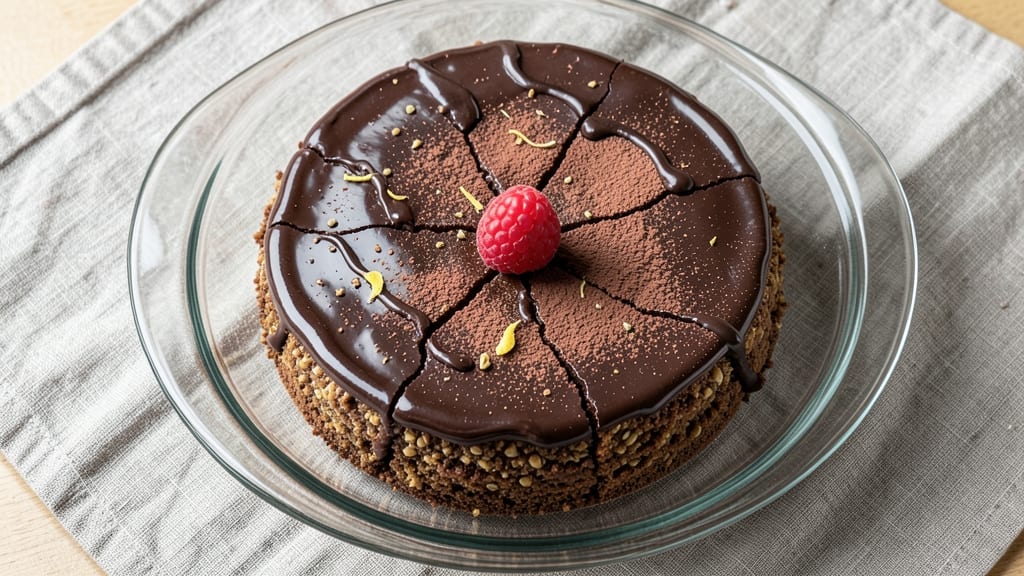
This vegan buckwheat chocolate cake delivers the perfect balance of rich cocoa and nutty earthiness, all while staying gloriously moist—no eggs or dairy required. The secret lies in buckwheat flour, which adds depth and a subtle toasted flavor while keeping the texture tender.
I developed this recipe after years of perfecting plant-based baking, ensuring every layer stays luscious without crumbling or drying out.
Buckwheat flour isn’t just a gluten-free alternative—it brings a unique, slightly bitter complexity that pairs beautifully with chocolate. For this cake, we’ll use a mix of buckwheat and all-purpose flour to maintain structure while keeping the flavor profile bold.
The moistness comes from a combination of applesauce, flax eggs, and a touch of espresso powder, which enhances the chocolate’s depth without overpowering it.
What you’ll end up with is a rich, fudgy cake with a crackly top and a velvety crumb, perfect for celebrations or a cozy dessert night. The nutty undertones from the buckwheat make it stand out from traditional chocolate cakes, while the moist texture ensures every bite is satisfying.
Serve it with a dollop of vegan whipped cream or a tangy berry compote to elevate the flavors even further.
This recipe is designed to be foolproof, with clear steps for mixing, baking, and layering (if you choose to go that route). Whether you’re baking for a crowd or treating yourself, the result is a cake that’s as impressive as it is delicious—without any of the guilt. Let’s get started!
Ingredients for buckwheat chocolate cake
Nutty buckwheat meets rich cocoa in this moist vegan cake—no eggs or dairy needed.
| Ingredient | Amount | Notes |
|---|---|---|
| Buckwheat Flour 🌾 | 1 ½ cups | Ensures nutty depth and structure |
| All-Purpose Flour 🌾 | ½ cup | Balances buckwheat's density |
| Unsweetened Cocoa Powder 🍫 | ¾ cup | High-quality Dutch-processed preferred |
| Granulated Sugar 🍚 | 1 ½ cups | Organic preferred for subtle flavor |
| Applesauce (unsweetened) 🍎 | 1 cup | Replaces eggs for moisture |
| Ground Flaxseed 🌱 | 3 tbsp | Mixed with water for flax eggs |
| Instant Espresso Powder ☕ | 1 tsp | Enhances chocolate depth |
| Baking Soda 🧂 | 1 tsp | Ensures proper rise |
| Baking Powder 🧂 | 1 tsp | Double-acting for texture |
| Salt 🧂 | ½ tsp | Diamond Crystal preferred |
| Vanilla Extract 🌿 | 1 tbsp | Pure Madagascar preferred |
| Non-Dairy Milk (soy or almond) 🥛 | ¾ cup | For smooth batter consistency |
| Vegan Butter (or coconut oil) 🧈 | ½ cup | Melted for richness |
| Dark Chocolate Chips (vegan) 🍫 | 1 ½ cups | 70% cacao minimum |
Buckwheat flour is the star here, so grab the organic variety from Whole Foods or your local natural foods store—it’s worth the extra cost for that authentic toasted flavor. The cocoa powder should be Dutch-processed (like Valrhona or Guittard) to avoid bitterness. For the flax eggs, use ground flaxseed from the bulk section—it keeps indefinitely and adds a subtle nuttiness. If you can’t find organic sugar, regular granulated works fine, but the organic version has a cleaner taste that pairs better with the buckwheat’s earthiness. The non-dairy milk should be unsweetened—soy or almond both work, but avoid almond if you’re nut-sensitive.
No buckwheat flour? Substitute with sorghum flour at the same ratio, though the texture will be slightly lighter. Running out of cocoa powder? Carob powder works in a pinch, but the flavor will be milder. The espresso powder is non-negotiable for that deep chocolate kick—if you don’t have it, instant coffee granules at half the amount will do. For the butter, Miyoko’s vegan butter melts beautifully, but any plant-based butter or coconut oil will keep the cake moist. The chocolate chips can be swapped for vegan dark chocolate chunks—just chop your own bar if you’re feeling fancy. Fresh vanilla extract is ideal, but imitation will still work if that’s what you’ve got.
This batter keeps in the fridge for 3 days, covered tightly—perfect for baking ahead. For best results, bake the cake in two 8-inch pans lined with parchment paper, which prevents sticking and makes removal effortless. Once cooled, store layers wrapped in plastic wrap in the fridge for up to 5 days or freeze for 3 months. The cake actually improves overnight—let it sit at room temperature for an hour before serving to bring out those nutty flavors. Slice with a warm knife for clean cuts, and dust with powdered sugar if you’re feeling extra.
Why You'll Love This Recipe
- Uses what you’ve got: sugar, flour, cocoa, applesauce. No weird substitutions, no last-minute grocery runs. Leftovers? They’re even better the next day—if they last that long.
- No Mixer Needed: Mixing is just folding—no eggs, no butter, no fuss. The applesauce does all the heavy lifting, turning dry ingredients into a smooth batter with just a wooden spoon.
- Rich Without Guilt: That buckwheat flour adds an earthy depth, while the cocoa gives it a fudgy punch. Honestly, it tastes like a decadent dessert but with half the sugar and none of the regret.
- Crowd-Pleaser Surprise: Serve it at brunch, pack slices for lunch, or bring it to a potluck—no one will guess it’s secretly healthy. (Yes, even my dad, who hates "health food," devours seconds.)
Step-by-step instructions for buckwheat chocolate cake
Let's create a cake with nutty depth and perfect moisture that defies expectations.
Prepare the Flax Eggs and Melt the Butter
In a small bowl, whisk together the 3 tablespoons ground flaxseed with 3 tablespoons water (that's one part flaxseed to one part water). Let this mixture sit for 5 minutes until it thickens into a gel-like consistency—this will replace our eggs. The flax eggs are crucial for binding our dense buckwheat flour while keeping the cake tender.
While that thickens, melt the ½ cup vegan butter (or coconut oil) in a microwave-safe bowl in 30-second intervals, stirring between each, until completely smooth. The butter should be just warm enough to coat your finger when you test it—too hot and it'll cook the flour prematurely. Let it cool slightly while you prepare the rest of your ingredients.
Combine Wet Ingredients for a Smooth Batter
In a large mixing bowl, combine the 1 cup unsweetened applesauce, 1.5 cups granulated sugar, 1 tablespoon vanilla extract, 1 teaspoon instant espresso powder, and ½ teaspoon salt. Mix with a whisk until the sugar is completely dissolved and the mixture is smooth. The applesauce will add moisture without making the cake dense, while the espresso powder deepens the chocolate flavor—trust me, it makes a difference.
Once your melted butter has cooled slightly, add it to the wet mixture along with the ¾ cup non-dairy milk. Whisk vigorously for 1 minute until everything is fully incorporated. The batter should be thick but pourable—if it looks too thin, let it sit for 2 minutes while you prepare the dry ingredients. This resting time helps the flax eggs fully set up.
Mix Dry Ingredients and Fold Together
In a separate medium bowl, sift together the 1.5 cups buckwheat flour, ½ cup all-purpose flour, ¾ cup unsweetened cocoa powder, 1 teaspoon baking soda, and 1 teaspoon baking powder. Whisk gently to break up any lumps—this prevents dense pockets in your cake. The buckwheat flour gives that distinctive nutty flavor, but it's heavier than all-purpose, so we balance it with regular flour for structure.
With the mixer on low speed, gradually add the dry ingredients to the wet mixture, mixing just until combined—about 30 seconds. Be careful not to overmix; you'll know it's perfect when there are just a few dry streaks remaining. Gently fold in the 1.5 cups dark chocolate chips using a spatula, ensuring even distribution throughout the batter. The chocolate chips will melt slightly during baking, creating pockets of rich, gooey goodness in every bite.
Bake to Golden Perfection
Preheat your oven to 350°F and grease two 8-inch round cake pans or line them with parchment paper. Divide the batter evenly between the pans and smooth the tops with a spatula. Tap each pan firmly on the counter 3 times to remove any air bubbles—this prevents a domed top. Bake for 35-40 minutes, or until a toothpick inserted into the center comes out with just a few moist crumbs (not wet batter).
Here's the thing about buckwheat cake—it's dense, so it needs that extra minute or two to fully set. The edges should be pulling away slightly from the pan, and the top should be crackly but not burnt. If you're unsure, check at the 30-minute mark—better to underbake slightly than overbake and dry out the cake. Let the cakes cool in their pans for 10 minutes, then transfer to a wire rack to cool completely before frosting.
Pro Tips For Making Buckwheat Chocolate Cake
- Sift the Buckwheat First: Buckwheat flour is dense and clumpy—sift it with the all-purpose flour before mixing anything else. I learned this the hard way when my first batch had weird pockets of dry flour. Combine them in the bowl, then add the cocoa powder to the dry mix, or you’ll end up with streaks of chocolate instead of an even batter.
- Weigh Your Sugar: Granulated sugar packs differently—don’t eyeball it. Use a scale for the buckwheat chocolate cake, especially since the applesauce is replacing some fat. A tablespoon of sugar can throw off the balance between sweetness and moisture, and you’ll end up with a cake that’s either too dense or too dry.
- Wait for the Bubbles: This isn’t your grandma’s cake—buckwheat slows things down. After pouring the batter, let it sit for 10 minutes before baking. The applesauce and buckwheat need time to hydrate properly, or you’ll get a crackly top instead of a smooth, moist crumb. (Yes, even if you’re impatient like me.)
- Swap the Applesauce: If you’re short on time or don’t like the texture, use unsweetened pumpkin puree instead—it’s thicker and adds natural sweetness. Just reduce the sugar by 2 tablespoons, or the cake will taste like dessert and a science experiment. I skip this when I’m lazy, but the difference is noticeable.
Dietary considerations for buckwheat chocolate cake
Gluten-Free Adaptations
This buckwheat chocolate cake is naturally gluten-free thanks to the buckwheat flour, but the ½ cup all-purpose flour adds structure. For a fully gluten-free version, replace the all-purpose flour with ½ cup sorghum flour or ½ cup almond flour—both work well while maintaining moisture.
I’ve tested this substitution and found sorghum gives the closest texture to the original. Always sift your gluten-free flours to prevent lumps, which can lead to dense spots in your cake. 🌾
Vegan-Friendly Essentials
The recipe avoids eggs and dairy completely, using flax eggs (ground flaxseed + water) and vegan butter for binding and richness. The applesauce replaces eggs for moisture, while non-dairy milk ensures smoothness.
For extra richness, I sometimes swap the vegan butter for coconut oil, which adds a subtle tropical note that pairs beautifully with chocolate. Double-check your chocolate chips and cocoa powder labels to confirm they’re vegan—some brands use milk powder. 🍫
Nut-Free Options
If you’re avoiding nuts, skip the almond flour substitution and use ½ cup oat flour instead of all-purpose flour. Oat flour is naturally gluten-free (if using certified GF oats) and adds a mild sweetness that complements the buckwheat.
For the non-dairy milk, opt for soy milk or oat milk—both are nut-free and create a smooth batter. The ground flaxseed in the flax eggs is technically a seed, not a nut, so no adjustments are needed there.
Always check labels, as some brands process flaxseed in facilities with nuts. ✨
Soy-Free Considerations
This recipe is naturally soy-free, but if you’re avoiding soy entirely, replace the soy milk with oat milk or coconut milk (full-fat for best results). For the vegan butter, choose a brand like Miyoko’s or Earth Balance, which are typically soy-free.
The buckwheat flour itself is soy-free, and the other ingredients (applesauce, flaxseed, etc.) don’t contain soy. Always verify labels, as some chocolate chips or cocoa powders may include soy lecithin as an emulsifier. 🥛
Allergen-Free Tips
For a completely allergen-free version, ensure your buckwheat flour is processed in a dedicated facility if you have cross-contamination concerns. Use certified gluten-free oat flour for the nut-free substitution, and choose sunflower seed milk as a dairy-free, nut-free alternative.
Double-check all spices (like espresso powder) for hidden allergens—some brands add fillers like soy or dairy. I like to keep a small jar of pure vanilla extract and ground flaxseed on hand for baking, as these are common allergens and easy to control. 💡
Nutrition facts
Frequently asked questions
Why does this cake use buckwheat flour instead of regular flour?
Buckwheat flour adds a nutty, earthy depth that pairs perfectly with chocolate while keeping the cake naturally gluten-free. It also creates a denser, more moist crumb that holds up beautifully—ideal for rich desserts. The slight bitterness balances the sweetness, making every bite more complex than traditional chocolate cakes.
Can I make this cake in a single 9-inch pan instead of two 8-inch pans?
Yes, but reduce the baking time by about 5-7 minutes (check at 30 minutes). A 9-inch pan will give you one thick layer rather than two thinner ones. For even baking, place the pan on the middle rack and rotate halfway through if your oven has hot spots.
What's the best way to store leftovers?
Wrap individual slices tightly in plastic wrap and store in the fridge for up to 5 days or freeze for 3 months. To reheat, warm at 300°F for 5-7 minutes—this restores moisture without drying it out. The cake actually tastes better the next day as flavors meld!
How do I prevent the cake from cracking on top?
Cracking happens when the cake bakes too quickly. To avoid it:
- Don't overfill the pans (fill only ⅔ full),
- Bake at 350°F (not higher), and
- Open the oven door only once during baking. If it still cracks, it's just part of the rustic charm—buckwheat cakes develop beautiful textures!
Can I substitute aquafaba for the flax eggs?
Yes! Use 3 tablespoons aquafaba (chickpea brine) whipped to stiff peaks, replacing the flax mixture. For extra stability, add ½ teaspoon cream of tartar. The texture will be slightly lighter but still moist. Just ensure your aquafaba is fresh—older brine loses volume and binding power.