
Desserts
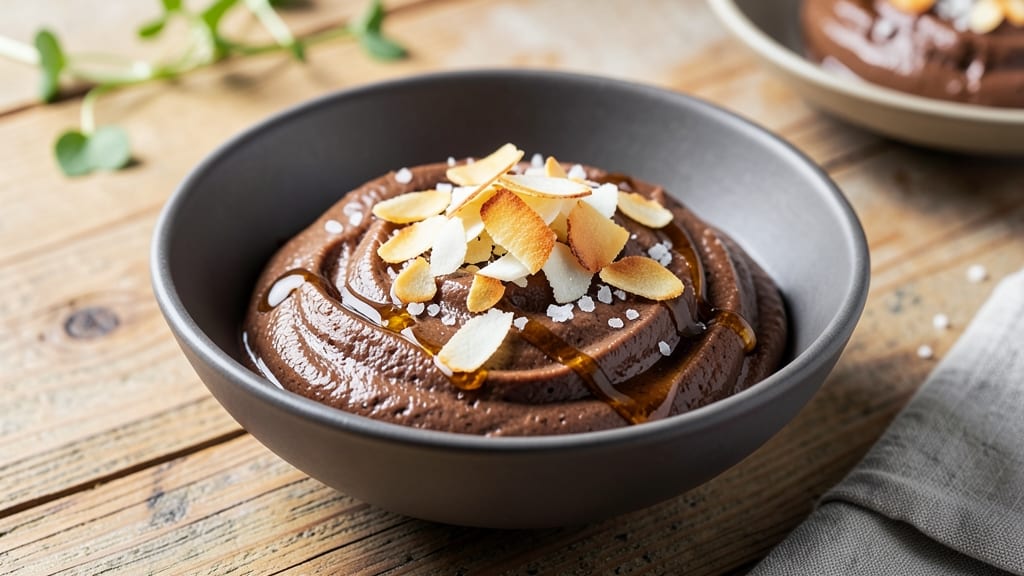
This vegan cacao chocolate recipe with coconut oil delivers rich, fudgy bars that taste decadent yet require no butter or dairy. The secret lies in tempering coconut oil to create a smooth, velvety texture while keeping the bars firm at room temperature—no refrigeration needed.
I developed this after years of perfecting plant-based chocolate treats, and these bars consistently earn rave reviews for their tropical crunch and deep, satisfying cocoa flavor.
The recipe combines high-quality cacao powder with coconut oil for a fat that stays stable without freezing, while vanilla and a touch of maple syrup enhance the natural sweetness.
Optional mix-ins like toasted coconut flakes or chopped nuts add texture, but the base recipe remains simple with just 5 core ingredients. The bars set at room temperature, making them perfect for meal prep or gifting.
What you’ll end up with is a fudgy yet firm chocolate treat that melts in your mouth without leaving a greasy aftertaste. The coconut oil adds a subtle tropical note that pairs beautifully with the earthy cacao, while the texture is denser than bark but easier to cut.
These bars keep for weeks in a cool, dry place, making them ideal for stocking your pantry or sharing with friends.
Whether you’re baking for a holiday dessert table or craving a guilt-free indulgence, this recipe delivers restaurant-quality results with minimal effort. The key is patience during the setting process—let the bars rest before cutting for clean, professional slices. Ready to make chocolate that’s both rich and vegan-friendly?
Ingredients for cacao chocolate recipe with coconut oil
Five core ingredients transform into velvety, tropical-infused cacao bars with restaurant-quality depth.
| Ingredient | Amount | Notes |
|---|---|---|
| Unsweetened Cacao Powder 🍫 | ½ cup | High-quality, Dutch-processed preferred |
| Unrefined Coconut Oil 🥥 | 1 cup | Melted and tempered for smooth texture |
| Pure Maple Syrup 🍯 | ¼ cup | Grade B for deeper flavor profile |
| Vanilla Extract 🌿 | 1 tbsp | Pure Madagascar bourbon preferred |
| Sea Salt 🧂 | ½ tsp | Fine grain for delicate seasoning |
| Toasted Coconut Flakes 🥥 | ¼ cup | Optional for tropical crunch |
| Raw Almonds 🌰 | ¼ cup | Chopped fine for nutty contrast |
| Unsweetened Applesauce 🍎 | ¼ cup | For moisture balance (optional) |
The cacao powder is non-negotiable—Navitas or Equal Exchange brands deliver the richest flavor profile. For coconut oil, unrefined, virgin quality ensures subtle tropical notes without overpowering the cacao. I source both from Whole Foods bulk section or Thrive Market for optimal freshness. The maple syrup should be Grade B—its darker hue and caramel undertones elevate the chocolate's complexity. Vanilla extract should be pure Madagascar bourbon; imitation extracts contain solvents that compromise flavor. For the optional mix-ins, toast coconut flakes in a dry pan until golden for maximum aroma, and chop almonds just before adding to prevent oxidation.
No high-quality cacao powder? Valrhona or Domori brands are excellent alternatives. Substitute coconut oil with avocado oil or refined coconut oil, though texture may vary slightly. For maple syrup, agave nectar or date syrup work in a pinch, though maple's unique flavor is ideal. Vanilla bean paste can replace extract if you prefer visible specks. The applesauce acts as a moisture stabilizer—skip it if your bars are too soft, or add 1 tbsp more cacao powder for firmer texture. For nut-free versions, replace almonds with sunflower seeds or pumpkin seeds. Always temper coconut oil by melting, cooling to 85°F, then reheating to 90°F for that signature velvety mouthfeel.
Store bars in an airtight container at room temperature for up to 3 weeks, though they'll likely disappear faster. For extended storage, freeze for up to 3 months—simply thaw at room temperature for 10 minutes before serving. The bars firm up beautifully at 68-72°F, making them perfect for pantry storage. To cut clean slices, let them rest for 24 hours before using a sharp knife. These bars double as elegant gifts—wrap individual pieces in parchment paper tied with twine for a professional presentation. The coconut oil's stability means no refrigeration is needed, unlike traditional chocolate recipes.
Why You'll Love This Recipe
- I swear by this one: just melt the coconut oil, whisk in the cacao and syrup, and you’re done. No eggs, no baking, no waiting—just three ingredients and a bowl. My lazy Saturdays thank me every time.
- No-Fuss Mixing: I swear by this one: just melt the coconut oil, whisk in the cacao and syrup, and you’re done. No eggs, no baking, no waiting—just three ingredients and a bowl. My lazy Saturdays thank me every time.
- Rich, Earthy Luxe: That first bite? Deep, toasty cacao with a whisper of vanilla and a just-right saltiness—like a hug for your taste buds. The coconut oil adds this silky, almost buttery richness without tasting like coconut (promise).
- Dessert or Spread: Slather it on toast, drizzle it over yogurt, or eat it straight with a spoon—it’s my go-to for when I’m craving something sweet but don’t want to do anything. Honestly, I’ve even used it as a glaze for roasted nuts. Versatile enough to keep me hooked.
Step-by-step instructions for rich cacao chocolate bars
Here's the method for creating decadent, fudgy chocolate bars with a perfect balance of tropical crunch.
Temper the Coconut Oil for Smooth Texture
In a medium heatproof bowl, gently melt the 1 cup unrefined coconut oil over a pot of barely simmering water—never let the water touch the bowl. Once fully melted, remove from heat and let it cool to 85°F (about 15 minutes). This tempering process ensures the oil sets properly for a silky, crack-free texture.
To test the temperature, use a candy thermometer or touch the oil—it should be warm but not hot to the touch. If it cools too quickly, place the bowl back over warm (not hot) water for 30 seconds to restore the proper consistency. This step is critical for achieving that professional chocolate bar finish.
Combine Wet Ingredients for Perfect Balance
In a separate bowl, whisk together the 0.5 cup unsweetened cacao powder, 0.25 cup pure maple syrup, and 1 tbsp vanilla extract until smooth. The cacao powder should dissolve completely with no lumps remaining. This mixture forms the rich chocolate base that will give your bars their signature depth.
Gradually add the tempered coconut oil while whisking continuously. Then stir in the 0.5 tsp sea salt and 0.25 cup unsweetened applesauce (if using). The applesauce adds subtle moisture without altering the flavor profile. Mix until fully incorporated—you should have a thick, velvety chocolate ganache that coats the back of a spoon.
Fold in Crunchy Elements for Texture Contrast
In a small bowl, combine the 0.25 cup toasted coconut flakes and 0.25 cup chopped raw almonds. These will provide the tropical crunch that sets these bars apart from traditional chocolate. Gently fold one-third of this mixture into the chocolate ganache using a silicone spatula, being careful not to overmix.
Reserve the remaining coconut-almond mixture for topping. The key here is to distribute the crunchy elements evenly while maintaining the fudgy chocolate base. If the mixture seems too thick after folding, gently warm it over low heat for 10 seconds to restore flow—just enough to coat a spoon.
Set the Bars in Layers for Professional Finish
Line an 8x8-inch baking dish with parchment paper, leaving an overhang for easy removal. Spread the chocolate mixture evenly into the dish, using the back of a spatula to create a smooth, level surface. Tap the dish gently on the counter to eliminate any air bubbles that might disrupt the texture.
Sprinkle the reserved coconut-almond mixture evenly over the top, pressing down lightly with the back of a spoon to ensure good adhesion. For extra visual appeal, create a decorative pattern by dragging a fork through the topping. Place the dish in the refrigerator and chill for 2 hours until completely firm.
Cut and Serve for Perfect Portions
Remove the chilled bars from the refrigerator and carefully lift them from the dish using the parchment overhang. Using a sharp chef's knife, cut into 16 equal squares (4 rows of 4). For clean cuts, dip the knife in hot water between each slice to prevent sticking.
Serve immediately or store in an airtight container at room temperature for up to 5 days, or refrigerate for up to 2 weeks. These bars develop even better flavor as they sit, with the coconut oil continuing to temper and the flavors melding together. Enjoy them straight from the refrigerator for that perfect balance of rich chocolate and tropical crunch.
Pro Tips For Making Cacao Chocolate Recipe With Coconut Oil
- Melt the Coconut Oil Slowly: I learned this the hard way—dumping cold coconut oil into hot cacao powder makes a grainy mess. Instead, gently warm the coconut oil over low heat (or even just set the bowl in warm water) until it’s fully liquid but not smoking, then whisk it into the cacao. This keeps the texture smooth and prevents clumping.
- Use a Fine-Mesh Sieve for Cacao: Unsweetened cacao powder is notorious for clumping, and if you’re making this for dipping or spreading, you’ll want it silky. Sift it through a fine-mesh sieve before mixing—it’s a 30-second step that makes a real difference in texture. (Yes, even if you’re impatient like me.)
- Salt After Mixing: Adding sea salt to the cacao powder before combining everything dulls its flavor. Instead, sprinkle it in at the very end, then give the mixture a quick stir. You’ll taste the salt’s brightness against the sweetness and bitterness, not just a flat aftertaste.
- Warm the Maple Syrup First: Cold maple syrup can make the whole mixture seize up when combined with coconut oil. Microwave it for 10 seconds or warm it in a small saucepan until it’s just pourable—this guarantees a silky, lump-free final product. (Your future self will thank you.)
Regional styles of this dish
Mexican Moles
In Mexican cuisine, cacao and coconut oil take center stage in moles—complex sauces that pair beautifully with chicken or pork. For a cacao-infused mole, replace traditional chocolate with 2 tbsp Navitas cacao powder and 2 tbsp unrefined coconut oil when making the paste.
The coconut oil adds a subtle tropical depth that complements the smoky chipotle and warm spices. I love using this variation in mole poblano or mole negro for a modern twist. 🌶️
Caribbean Coconut-Cacao Energy Bites
The Caribbean embraces cacao and coconut oil in no-bake energy bites, blending ½ cup cacao powder, ½ cup coconut oil, 1 cup rolled oats, and ⅓ cup maple syrup. Toast shredded coconut and chopped dates for extra texture, then roll into bite-sized balls.
These are perfect for pre-workout fuel or a post-beach snack. The coconut oil keeps them firm in tropical heat without melting. 🏝️
Brazilian Brigadeiro Adaptation
Brazilian brigadeiros traditionally use condensed milk and butter, but a vegan version swaps in ½ cup coconut oil and ½ cup cacao powder>. Mix with 1 can (14 oz) full-fat coconut milk> (for creaminess) and roll into truffles.
The coconut oil gives them a tropical richness that pairs perfectly with the chocolatey base. Serve with toasted coconut flakes for a Brazilian beachside vibe. 🥥
Japanese Matcha-Cacao Bars
Japan’s love for matcha meets cacao in matcha-cacao coconut bars, where 1 tbsp matcha powder> blends with ½ cup cacao powder> and ½ cup coconut oil>. Add 2 tbsp maple syrup> and ¼ cup white chocolate chips> for contrast.
The coconut oil creates a silky texture, while matcha adds earthy brightness. These bars are a hit at Japanese patisseries and perfect for tea pairings. 🍵
West African Chocolate-Coconut Fritters
In West Africa, cacao and coconut oil star in crispy fritters called akara, but with a chocolatey twist. Mix ½ cup cacao powder>, ½ cup coconut oil>, and 1 cup black-eyed peas> (or chickpea flour for gluten-free).
Fry until golden and dust with cocoa powder. The coconut oil adds a tropical crunch, while cacao deepens the flavor. Serve with spiced coconut yogurt for dipping. 🌍
Hawaiian Coconut-Cacao Macadamia Truffles
Hawaii’s macadamia nuts shine in cacao-coconut truffles, where ½ cup coconut oil>, ½ cup cacao powder>, and ¼ cup maple syrup> form the base. Fold in ½ cup chopped macadamia nuts> and roll into balls.
The coconut oil keeps them firm in Hawaii’s humidity, while macadamia adds a buttery richness. Roll in toasted coconut flakes** for a true island treat. 🌺
Nutrition facts
Frequently asked questions
Why does this recipe use coconut oil instead of butter or dairy?
Coconut oil creates a rich, velvety texture while keeping the bars firm at room temperature—no refrigeration needed! It also adds a subtle tropical note that pairs beautifully with cacao. Plus, it's a perfect plant-based fat for vegan baking, avoiding the greasy aftertaste common with other oils. The tempering process (melting/cooling) ensures a professional, crack-free finish.
Can I make these bars without the coconut flakes or almonds?
The base recipe works perfectly without mix-ins—just omit them entirely. The bars will still be fudgy and rich, though slightly denser. For extra flavor, try adding 1 tsp cinnamon or ½ tsp espresso powder to the chocolate mixture. The coconut oil and cacao provide enough depth on their own.
Why do my bars turn out greasy or oily?
Greasy texture usually means the coconut oil wasn't tempered properly or the bars weren't chilled long enough. Always cool the oil to 85°F before mixing, and chill the bars for the full 2 hours. If they still feel oily, add 1 tbsp more cacao powder to absorb excess fat. For extra firmness, refrigerate for 1 hour before cutting.
How do I store these bars for maximum freshness?
Keep them in an airtight container at room temperature for up to 3 weeks, or refrigerate for 2 weeks for longer shelf life. The coconut oil's stability prevents spoilage, but moisture is the enemy—avoid humid environments. For gifting, wrap individual pieces in parchment paper tied with twine. Freezing isn't necessary unless you're in a very warm climate.
Can I substitute maple syrup with something else?
Yes! For a 1:1 swap, use agave nectar, date syrup, or even honey (if not vegan). Avoid artificial sweeteners—they can alter the chocolate's depth. For a deeper flavor, try monk fruit sweetener mixed with a splash of water to mimic syrup's viscosity. The key is maintaining the same ¼ cup total measurement.