
Desserts
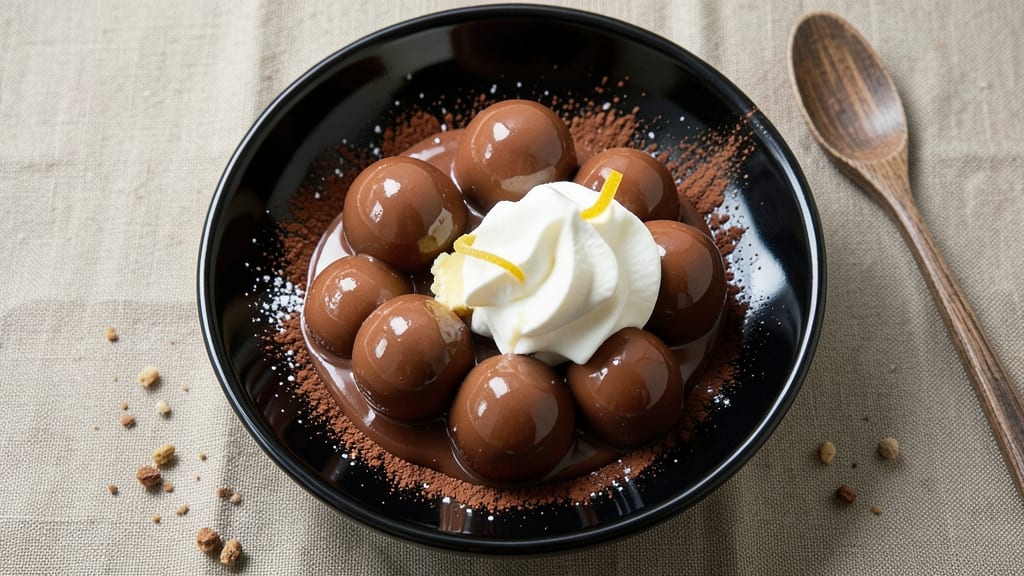
Callebaut Chocolate Truffles Recipe transforms simple ingredients into luxurious, bite-sized decadence with a creamy ganache heart and crisp cocoa shell. The secret lies in Callebaut’s high cocoa butter content—it melts smoothly yet sets perfectly, ensuring each truffle has a velvety texture and glossy finish. This recipe balances precision with approachability, making it ideal for both beginners and chocolate enthusiasts.
The process starts with a rich ganache, where heavy cream and chopped chocolate come together in a silky emulsion. Once cooled to the perfect consistency, it’s piped into molds and rolled in cocoa powder for that signature snap.
The result? Truffles with a fudgy interior and a delicate, crackly exterior—every bite is a harmonious contrast of textures and flavors.
What sets these apart is the use of Callebaut chocolate, known for its smooth melt and rich flavor profile. Whether you’re crafting them for a special occasion or simply indulging, this method guarantees professional-quality truffles without the fuss.
The recipe also allows for creative twists, like infusing the ganache with vanilla or orange liqueur.
Ready in about 45 minutes (plus chilling time), these truffles are perfect for gifting, holiday treats, or satisfying a sweet craving. The key to success? Patience—letting the ganache set properly ensures clean breaks and a flawless finish. Let’s get started on creating these elegant, crowd-pleasing delights.
Ingredients for callebaut chocolate truffle
Luxurious truffles start with Callebaut chocolate and precise technique—no shortcuts needed.
| Ingredient | Amount | Notes |
|---|---|---|
| Callebaut Couverture Chocolate (70% Cocoa) 🍫 | 12 oz | High cocoa butter content preferred |
| Heavy Whipping Cream 🥛 | 1 cup | Whole fat for best texture |
| Unsalted Butter 🧈 | ½ cup | Cold, cut into small cubes |
| Vanilla Extract 🌿 | 1 tsp | Pure, high-quality preferred |
| Cocoa Powder (Unsweetened) 🍫 | ½ cup | Natural, not Dutch-processed |
| Powdered Sugar 🍚 | ¼ cup | Sifted for smooth texture |
| Orange Zest 🍊 | 1 tsp | Freshly grated preferred |
| Kosher Salt 🧂 | ¼ tsp | Fine grain for delicate flavor |
| Dark Chocolate Truffle Molds 🍫 | 24 whole | Silicone or plastic preferred |
| Granulated Sugar 🍚 | ¼ cup | For dusting molds |
| Orange Liqueur (Optional) 🍊 | 1 tbsp | Cointreau or triple sec |
The Callebaut chocolate is non-negotiable here—its high cocoa butter content ensures a silky ganache that sets perfectly. Callebaut’s 70% cocoa couverture strikes the ideal balance between richness and snap. For sourcing, specialty baking stores like Sur La Table or Williams Sonoma stock it reliably, though some well-equipped grocery stores carry it too. If you can't find Callebaut, Valrhona or Guittard are excellent alternatives. The heavy cream should be cold when measuring—room temperature cream won't whip as firmly, which affects the ganache's stability. For the cocoa powder, natural unsweetened (not Dutch-processed) gives the best flavor development during the rolling stage.
No Callebaut? Valrhona or Guittard couverture chocolates work equally well—they're the gold standard for truffle-making. Want to skip the alcohol? Substitute orange juice at half the amount for the liqueur, though it won't have the same depth. The butter must be cold—cut it into small cubes and let it sit at room temperature for 30 minutes before mixing. For the cocoa powder, if you only have Dutch-processed, reduce to 0.375 cup to account for its lower acidity. The powdered sugar should be sifted before measuring to prevent graininess in the final texture. And if you're feeling adventurous, white chocolate can replace 4 oz of the dark chocolate for a marbled effect.
Ganache must be cooled to 72°F before piping—use a candy thermometer for precision. Once set, truffles keep 1 week in an airtight container in the fridge, though they're best enjoyed within 3 days for peak texture. For gifting, wrap individually in parchment paper and store in a cool, dark place for up to 5 days. The cocoa powder rolling station should be a clean, flat surface—use a fine-mesh sieve for even coverage. If your ganache seizes up during cooling, gently reheat to 100°F and stir until smooth before proceeding.
Why You'll Love This Recipe
- No Melting Drama: I’ve burned chocolate before—so many times—but Callebaut’s couverture melts smooth as butter in a double boiler. No seizing, no tempering stress, just rich, glossy ganache every time. Honestly, it’s the only chocolate I trust for truffles now.
- Rich Without Overpowering: That 70% cocoa hits just right—deep enough to feel luxurious, but the cream and butter soften it into a velvety bite. Add a whisper of vanilla, and suddenly, you’ve got a truffle that’s actually balanced, not cloying or bitter. (Yes, even on a Tuesday night.)
- Holiday Ready in Hours: Make a batch on Sunday, roll them into pretty cocoa shells, and store them in the fridge. They’re perfect for last-minute gifts, potlucks, or sneaking into your kids’ lunchboxes. (My daughter picks out the prettiest ones first, but still asks for seconds.)
- Leftovers That Taste Fresh: These keep for weeks in the fridge, and honestly? They taste better the second day. The flavors meld, the texture tightens—it’s like they’re getting a secret upgrade. Plus, the cocoa powder dusting keeps them from drying out. My secret weapon for lazy afternoons.
Step-by-step instructions for Callebaut chocolate truffles
Mastering these truffles requires precision—follow this method for perfectly balanced ganache and crisp cocoa shells.
Prepare the Ganache Base
Chop the 12 oz Callebaut Couverture Chocolate (70% Cocoa) into small, even pieces and place in a heatproof bowl. Pour the 1 cup Heavy Whipping Cream over the chocolate, ensuring every piece is coated. Let it sit for 5 minutes—this allows the cream to begin melting the chocolate without overheating.
Place the bowl over a pot of simmering water (double boiler method) and stir gently with a silicone spatula until the mixture reaches 110°F and becomes completely smooth. Remove from heat and whisk in the 0.5 cup Unsalted Butter, 1 tsp Vanilla Extract, 1 tsp Orange Zest, and 0.25 tsp Kosher Salt. The ganache should be silky and glossy—this is your foundation for creamy truffles.
Create the Cocoa Shell Mixture
In a separate bowl, sift together the 0.5 cup Cocoa Powder (Unsweetened) and 0.25 cup Powdered Sugar. Gradually whisk in 1 tbsp Orange Liqueur (if using) until the mixture resembles wet sand. The texture should hold when pressed but still be moldable—this ensures crisp shells without cracking.
Add the 0.25 cup Granulated Sugar and mix thoroughly. The combination of cocoa and sugar creates the perfect balance for a sturdy yet delicate shell. Press the mixture into the 24 whole Dark Chocolate Truffle Molds, packing firmly to create a smooth, even surface. Tap the molds gently on the counter to remove air bubbles and ensure crisp edges.
Fill and Chill the Truffles
Allow the cocoa shells to dry completely at room temperature for 1 hour. While they set, transfer the ganache to a piping bag fitted with a small round tip. Pipe 1 teaspoon of ganache into each dried mold, filling them ¾ full. The ganache should mound slightly above the mold edges—this creates a domed shape when pressed.
Gently tap the molds on the counter to level the ganache, then place them in the freezer for 30 minutes. This rapid chilling prevents the ganache from spreading and ensures clean, sharp edges when unmolded. The texture should be firm but still pliable—like thick pudding.
Unmold and Finish
Remove the truffles from the freezer and carefully unmold them onto a parchment-lined tray. Return them to the freezer for an additional 15 minutes to fully set. The ganache should hold its shape when gently pressed—this guarantees a clean break when serving.
Serve immediately or store in an airtight container in the refrigerator for up to 1 week. The contrast between the crisp cocoa shell and the creamy ganache heart is what makes these truffles exceptional. Each bite delivers the rich depth of Callebaut chocolate with a delicate citrus brightness—perfect for gifting or special occasions.
Pro Tips For Making Callebaut Chocolate Truffle
- CHOP CHOCOLATE SMALL: The 70% Callebaut couverture has a higher fat content than milk chocolate—chop it into pea-sized pieces (not big chunks) so it melts evenly without seizing. I used to rush this step and ended up with grainy ganache every time.
- TEMPER THE CREAM: Heat the heavy cream to just under a simmer (180°F/82°C)—any hotter and it’ll scald the chocolate when mixed. Pour it over the chocolate in a thin stream while stirring; let it sit for 2 minutes before folding. Skipping this pause means you’ll have to re-temper later, and nobody wants that extra work.
- BUTTER FIRST, CREAM SECOND: Add the unsalted butter to the melted chocolate before the cream—it helps stabilize the ganache and prevents graininess. I learned this the hard way after making a batch that split like a poorly poured latte. Stir it in until fully dissolved, then add the cream.
- SIFT THE COCOA: Use unsweetened cocoa powder straight from the bag? Bad idea. Sift it first to break up clumps and avoid dry, lumpy truffles. A fine-mesh sieve takes 30 seconds and makes rolling the ganache into balls a breeze—no more sticky messes or uneven coatings.
Common mistakes when making perfect results
Overheating the Ganache
Never let the ganache exceed 115°F—this is where things go wrong. When you heat it too high, the cocoa butter in Callebaut chocolate separates, creating a grainy texture instead of the silky finish you want.
I’ve ruined batches by rushing this step, so use a candy thermometer and keep it at medium-low heat throughout. If your ganache starts to look streaky, immediately remove it from heat and stir gently until smooth. 🌡️
Skipping the Chill Step
The 30-minute freezer chill is non-negotiable—it’s what gives your truffles their clean, sharp edges. Without it, the ganache will spread when unmolded, leaving messy, uneven shapes. I once forgot this step and ended up with truffles that looked more like puddles than perfect spheres.
Place the molds on a tray before freezing to catch any drips, and don’t rush this process.
Using the Wrong Cocoa Powder
Dutch-processed cocoa powder will make your shells too dense and bitter. Stick with natural unsweetened cocoa powder—it has the right acidity to balance the sweetness of the ganache. If you only have Dutch-processed, reduce the amount by 25% to avoid overpowering the flavor.
I learned this the hard way when my first batch tasted flat and chalky. For best results, sift the cocoa powder before mixing to prevent clumps.
Overfilling the Molds
Filling the molds more than ¾ full guarantees messy truffles that won’t unmold cleanly. The ganache needs room to expand slightly as it sets, so leave a little space at the top. I once overfilled mine and ended up with ganache oozing out of the sides, creating a sticky disaster.
Use a teaspoon measure for precision, and tap the molds gently on the counter to level the ganache before chilling.
Not Letting Shells Dry
Rushing the 1-hour drying time for the cocoa shells is a recipe for disaster—they’ll crack or stick to the molds. Place the molds on a wire rack in a dry, cool spot away from direct sunlight.
If you’re impatient, you can speed this up slightly by using a fan on low, but don’t skip this step entirely. I once tried to fill shells too soon, and they crumbled apart when I tried to pipe the ganache.
Ignoring Temperature Control
Room temperature matters—both for the ganache and the workspace. If your kitchen is too warm, the ganache will soften too quickly, making it impossible to pipe neatly. Work in a 65-70°F environment, and keep your ganache chilled until ready to use.
I’ve had to start over because the ganache turned too runny while I was rolling the shells. If this happens, simply reheat the ganache to 100°F and stir until smooth before trying again.
Nutrition facts
Frequently asked questions about Callebaut chocolate truffles
Why does Callebaut chocolate work better than regular chocolate?
Callebaut's high cocoa butter content (around 32-36%) creates a smoother, more stable ganache that sets perfectly for truffles. Regular chocolate often has additives that prevent proper texture. The 70% cocoa version balances richness with a satisfying snap when coated in cocoa powder.
Can I make these truffles without molds?
Yes! Roll the ganache into 1-inch balls using your hands (lightly oiled for easy release), then coat in cocoa powder. For shells, press ganache into small ramekins, chill, then invert onto parchment. The texture will be slightly less precise but still delicious.
How do I fix grainy ganache?
Graininess means overheating or improper mixing. Immediately remove from heat, stir gently, then strain through a fine-mesh sieve. If still grainy, reheat to 100°F and whisk vigorously. For prevention, use a candy thermometer and keep heat at medium-low.
What's the best way to store these truffles?
Keep in an airtight container in the fridge for up to 1 week, separated by parchment paper. For short-term storage (1-2 days), a cool, dark pantry works. Avoid humidity—it causes the cocoa shells to soften.
Can I make vegan truffles with Callebaut?
Yes! Replace heavy cream with coconut cream (chilled overnight) and butter with vegan butter. Use coconut oil as a stabilizer (1 tbsp). The texture will be slightly denser but still luxurious. For shells, use agave syrup instead of granulated sugar.